

current events color: candido 200
Rick Alarcon is a US photographer in Paris , France, specializing in portraits, event, and artistic photography.
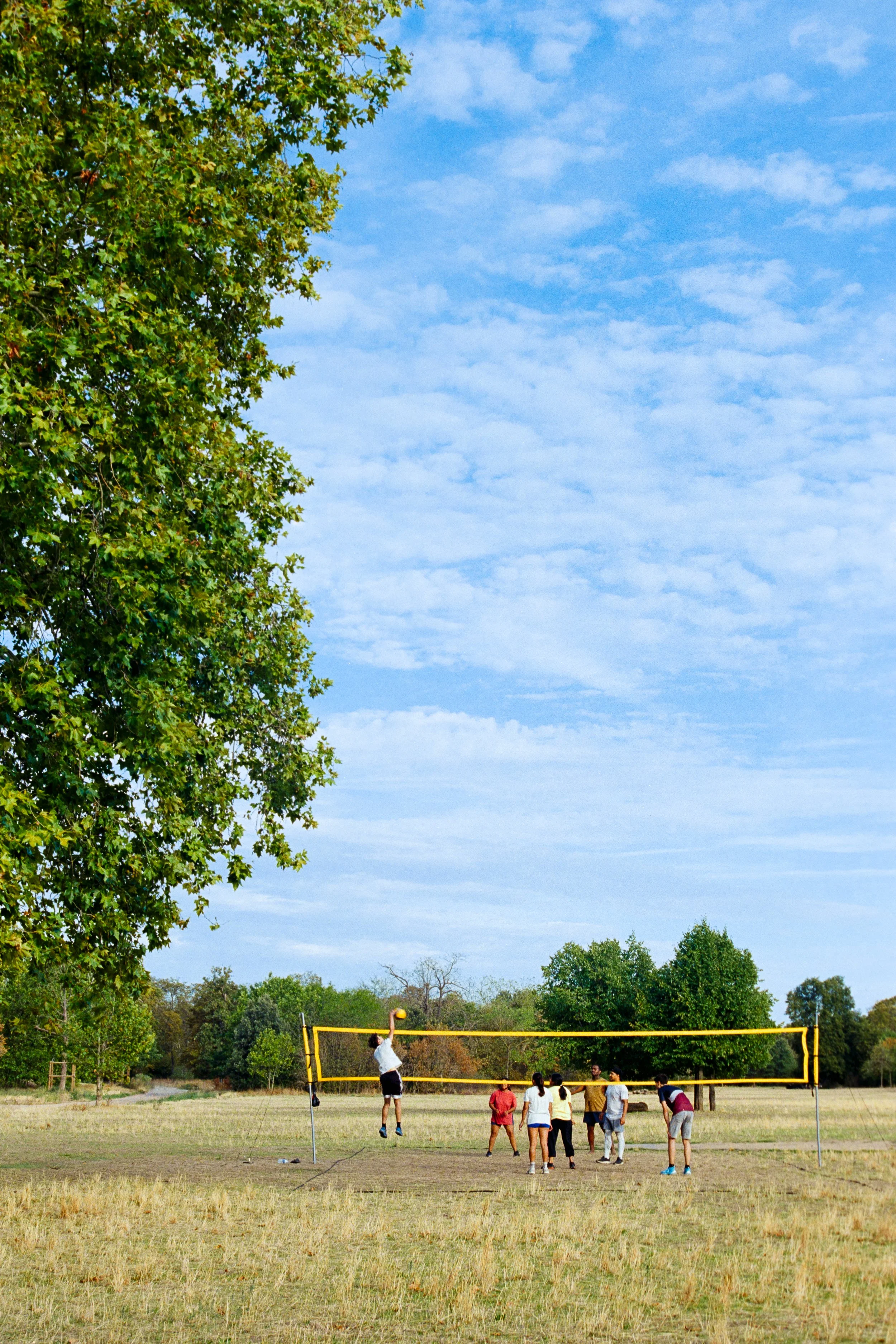
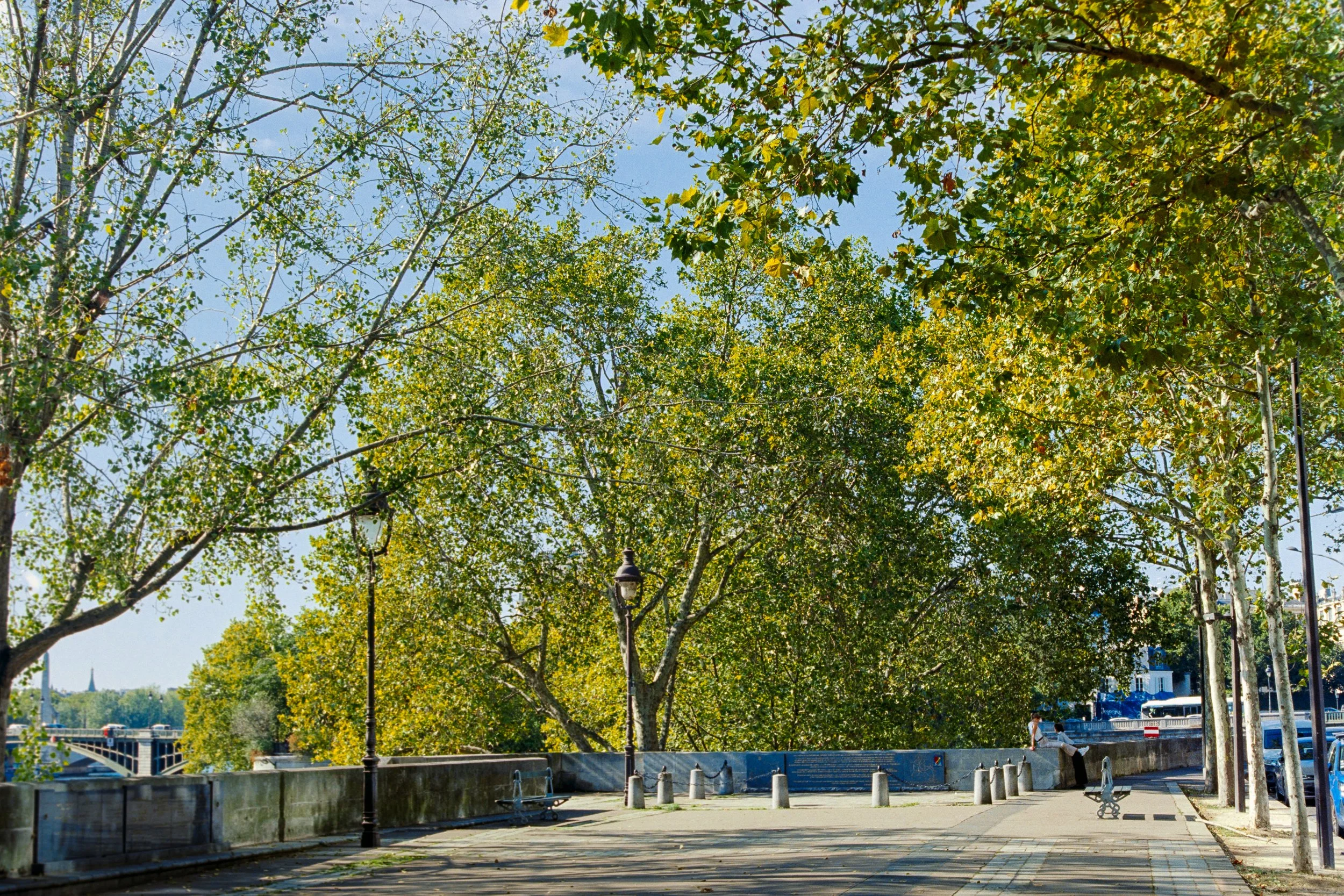
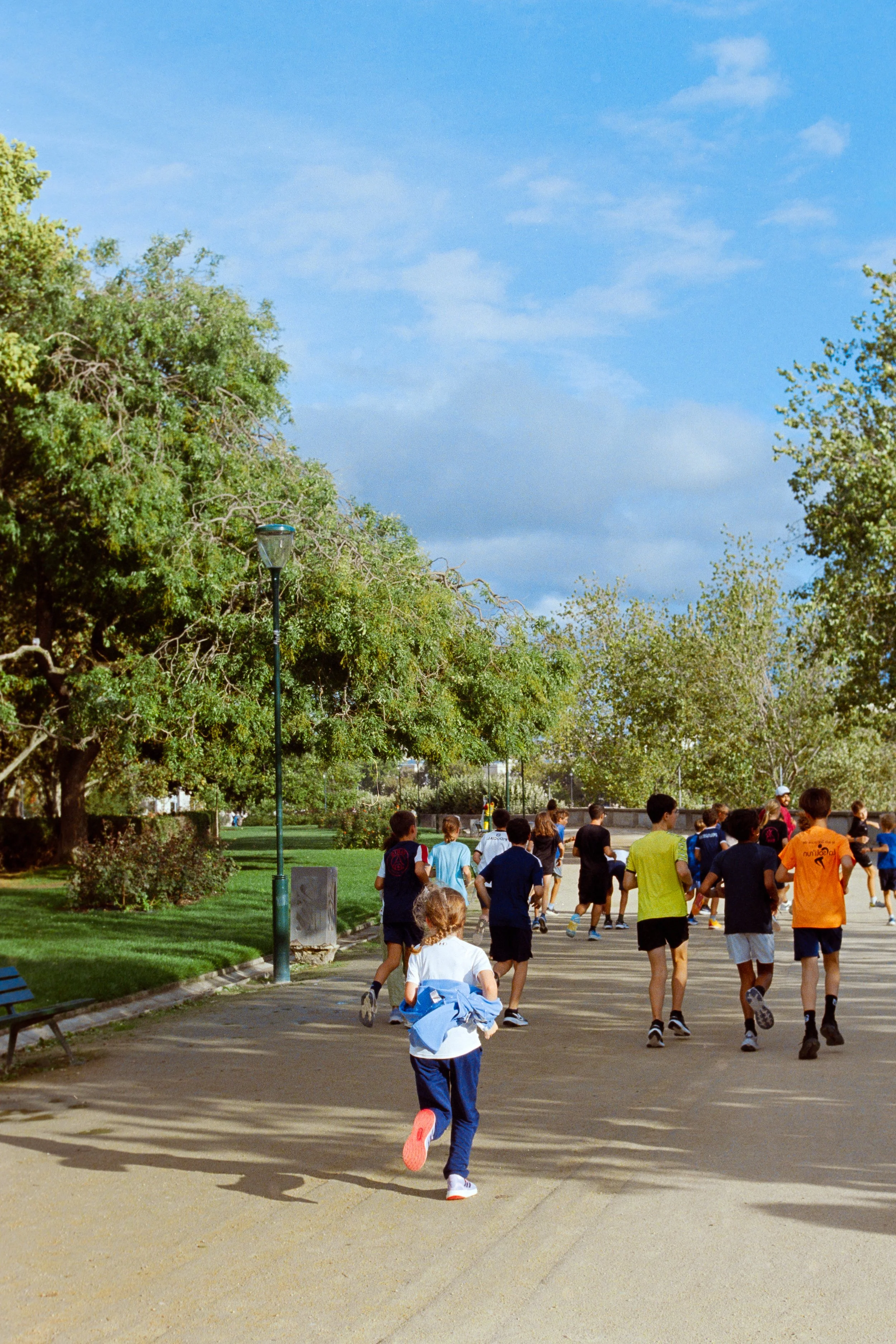
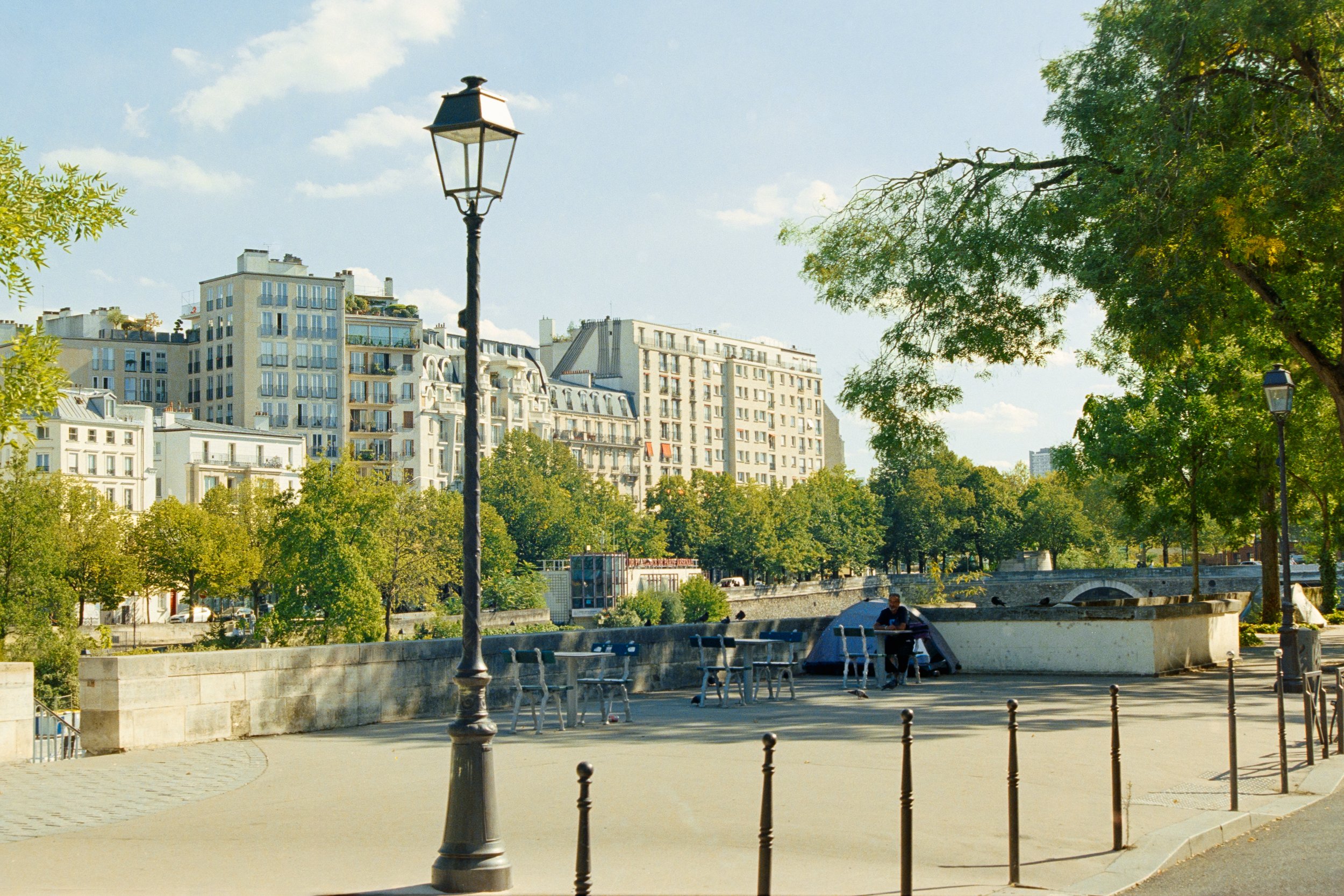
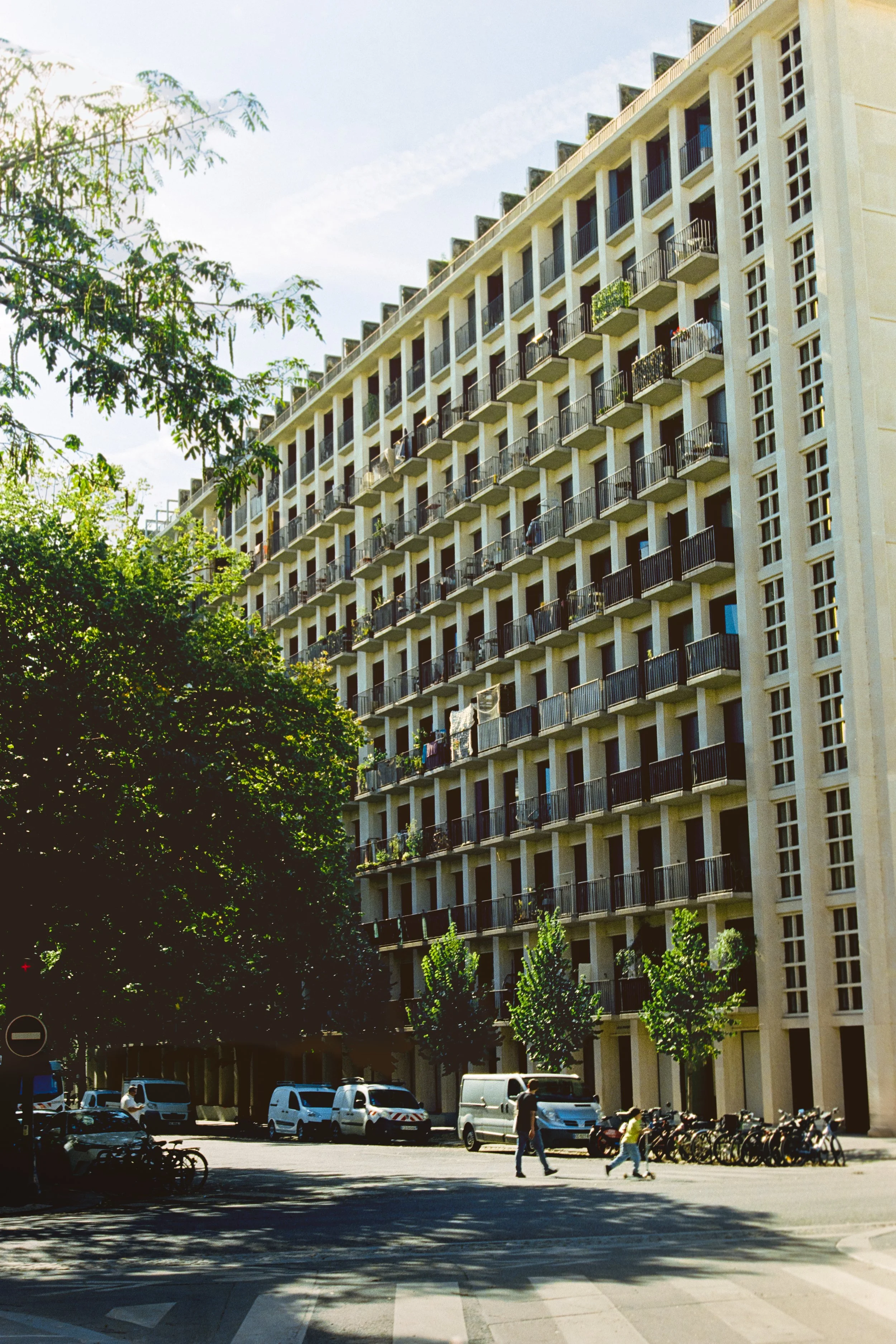
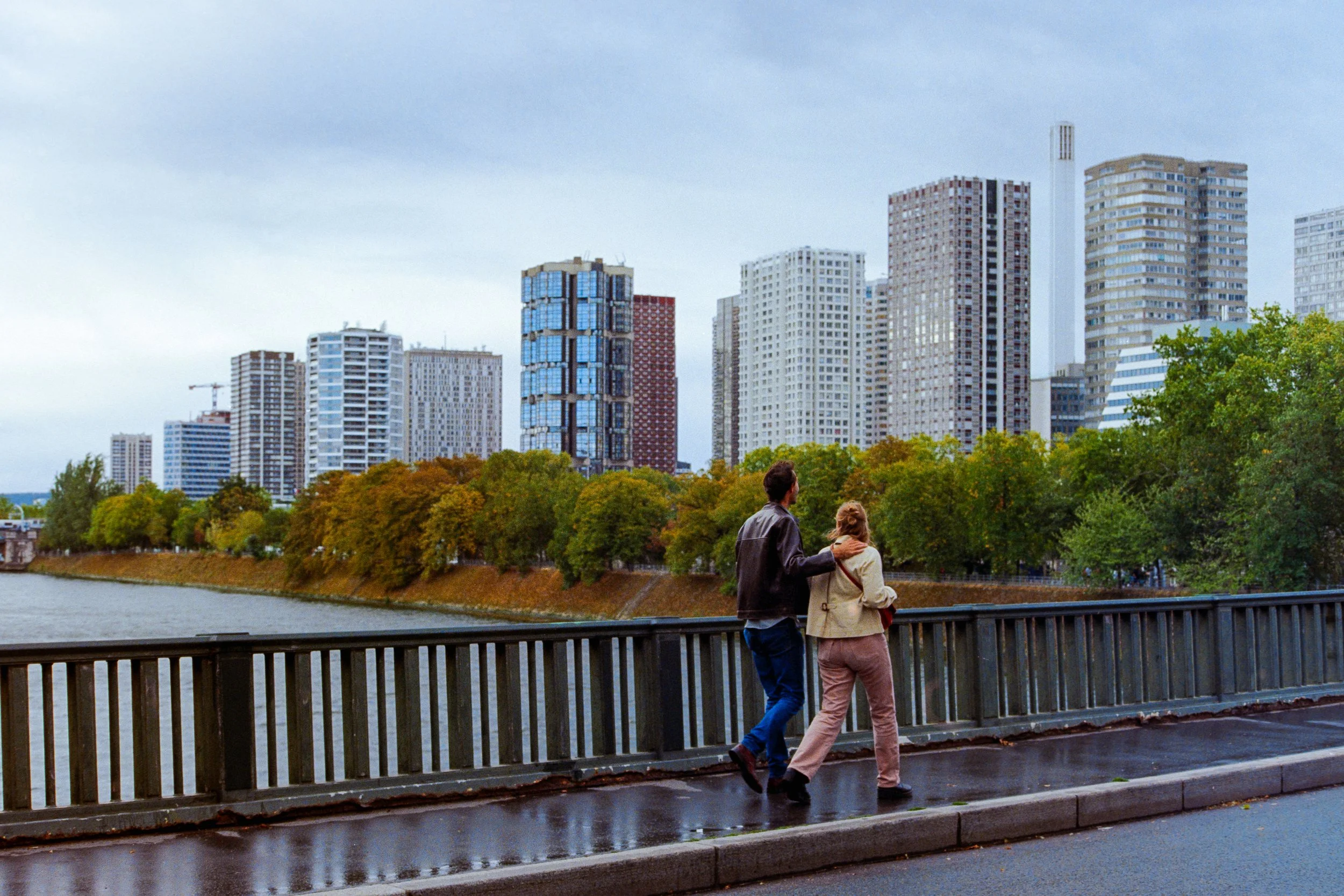
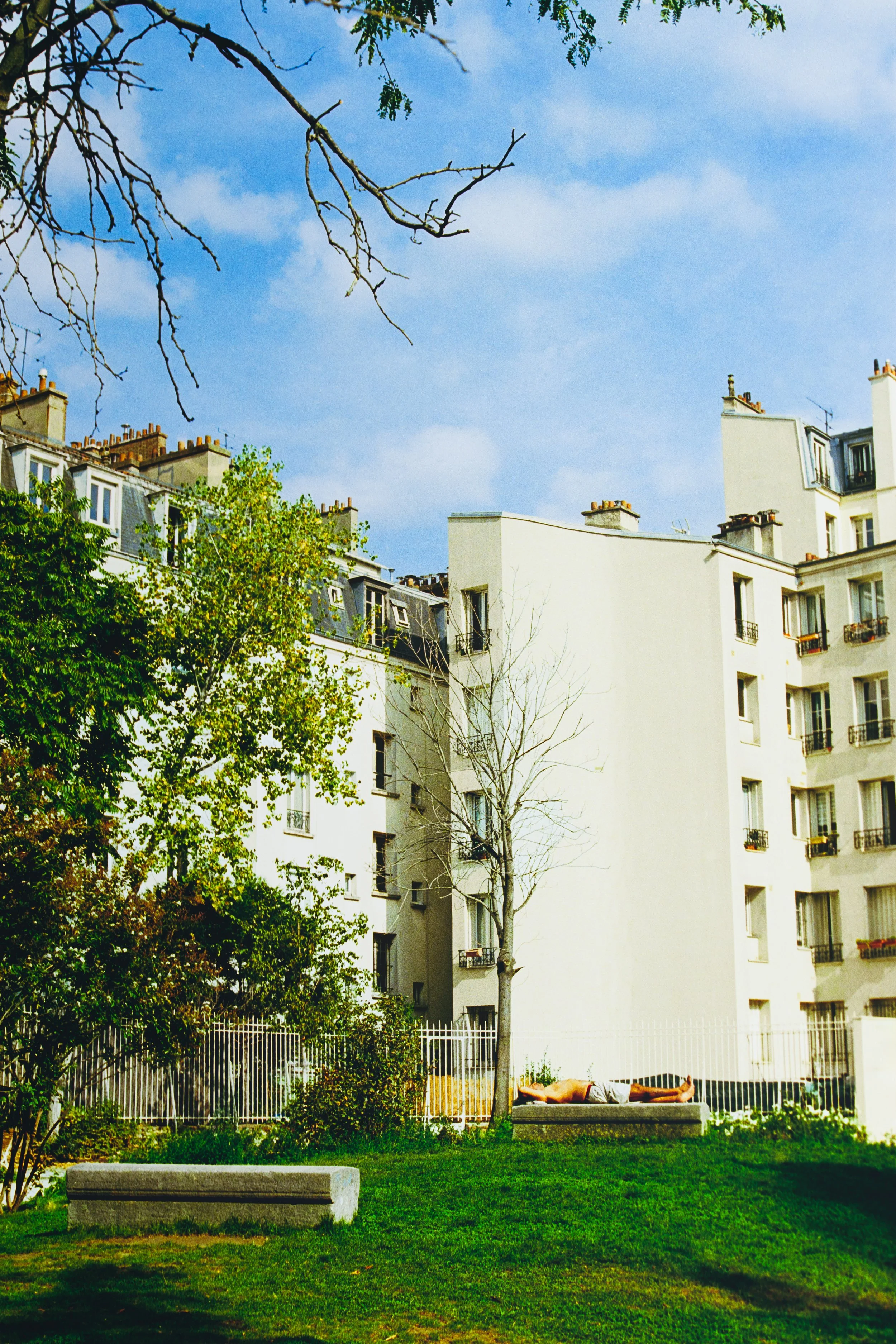
Current events, now color (see last post for the b/w). I’ve been trying to catch up and get everything in order, so I hope to put more time into the analog work in the near future, but for now, some nice ones from Candido. It’s a “cinema film” (sort of, I won’t get into the technical side of it), so gives nice results, but a little more tricky than regular cinema film, I found.
america two hundred frenchy: vision 3 250D + kentmere pan 200
Rick Alarcon is a US photographer in Paris , France, specializing in portraits, event, and artistic photography.
Happy Birthday America! I know it’s been practically a month since we celebrated, but it’s been a busy one. I’m just getting around to the edit of the rest of the last roll, coupled with some summer lab delays, but here are some images from the America 250 Celebration in Versailles this year. The Chateau of Versailles held an event to celebrate the 250th birthday boy and France and the US of A being best buds, with all of your typical July 4th fanfare and history.
First up are some Vision 3 250Ds. As it was a long day, I took along the Olympus AF 1, light on the weight and all. Had I thought of it, I would have brought something with a real wide lens on it and get some shots like Yorgos Lanthimos, but I wanted to carry the extra weight from hot dogs and not from cameras. I’m happy how they all turned out, a mighty point-and-shoot!
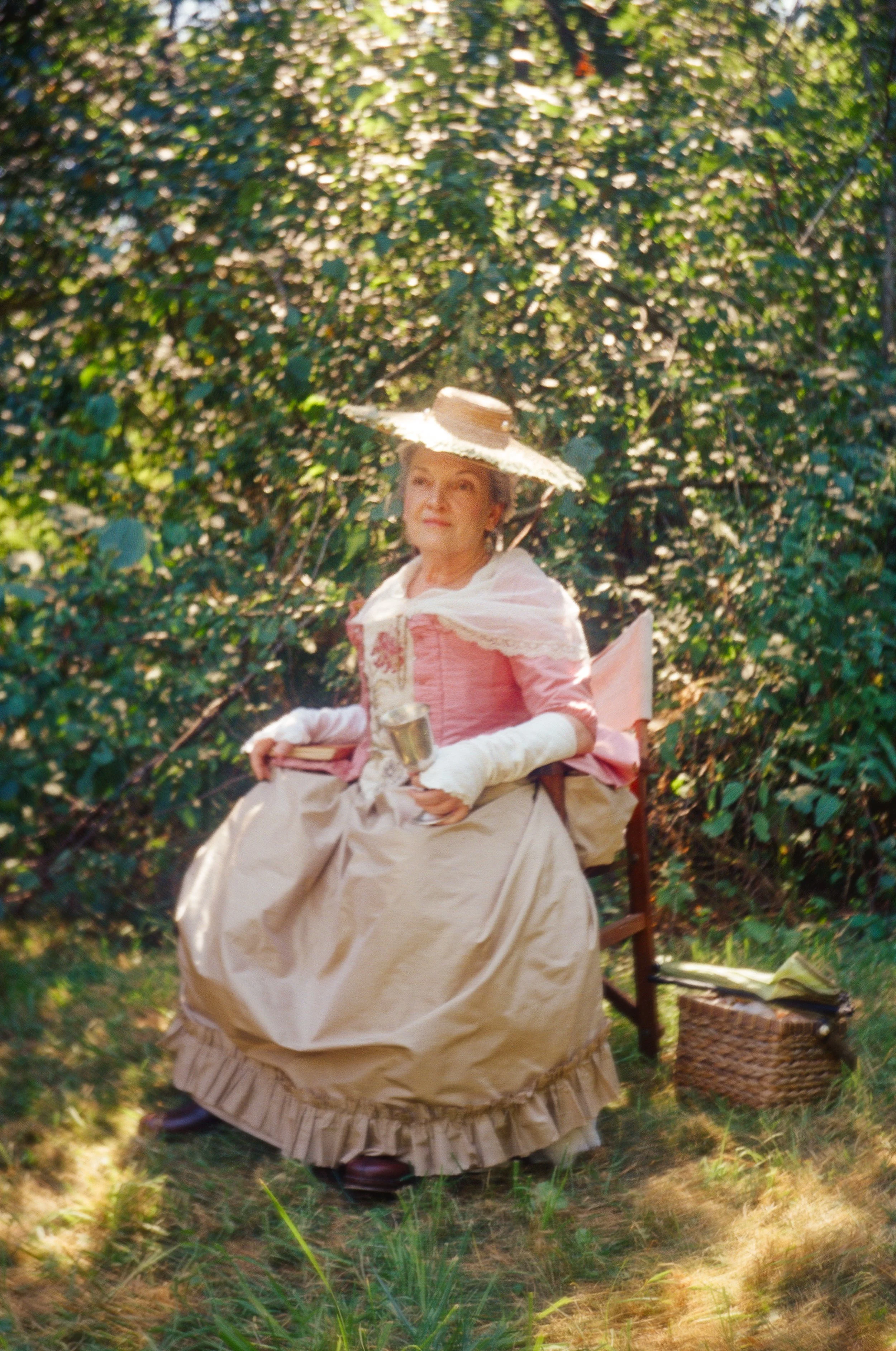
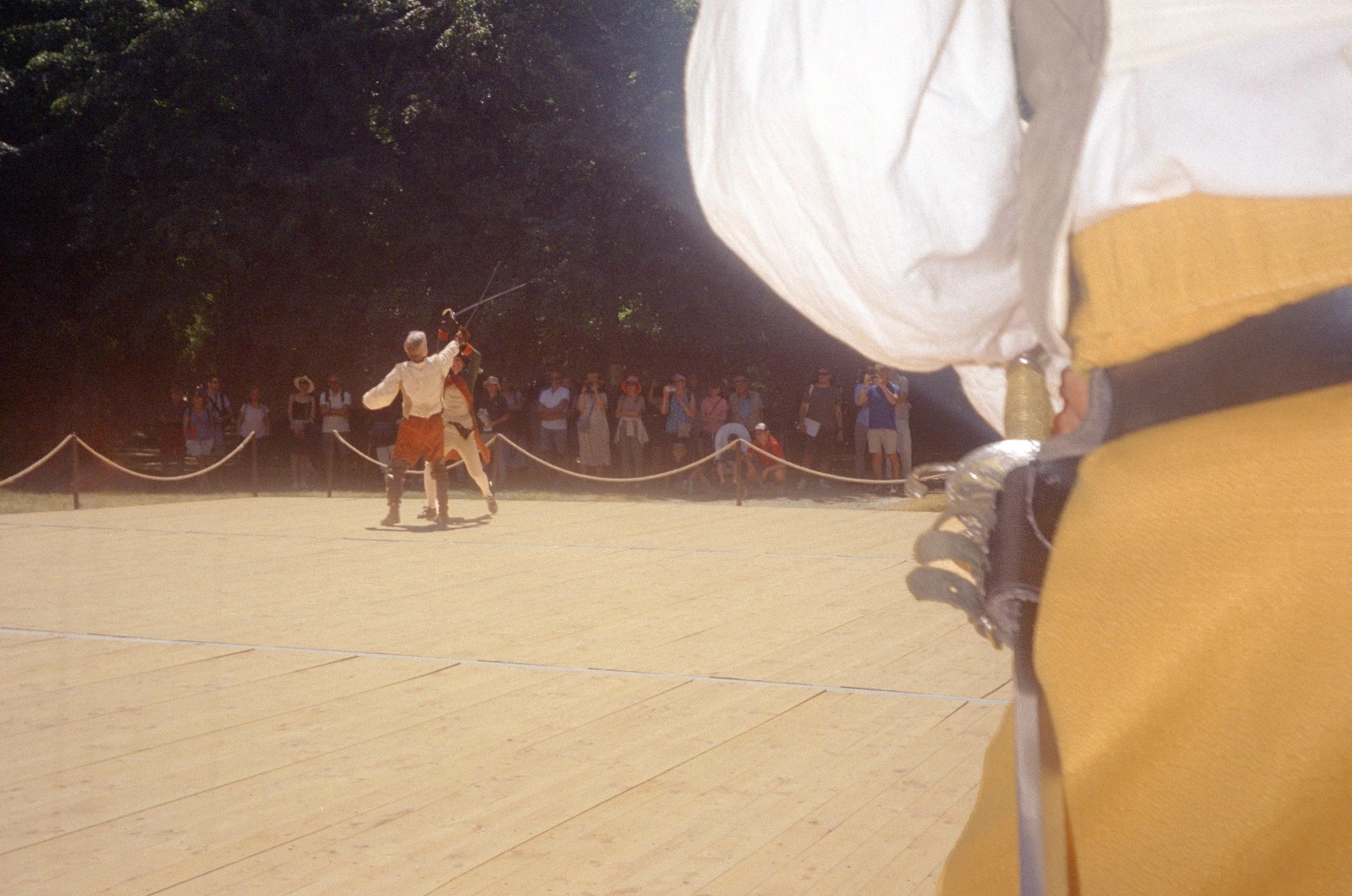
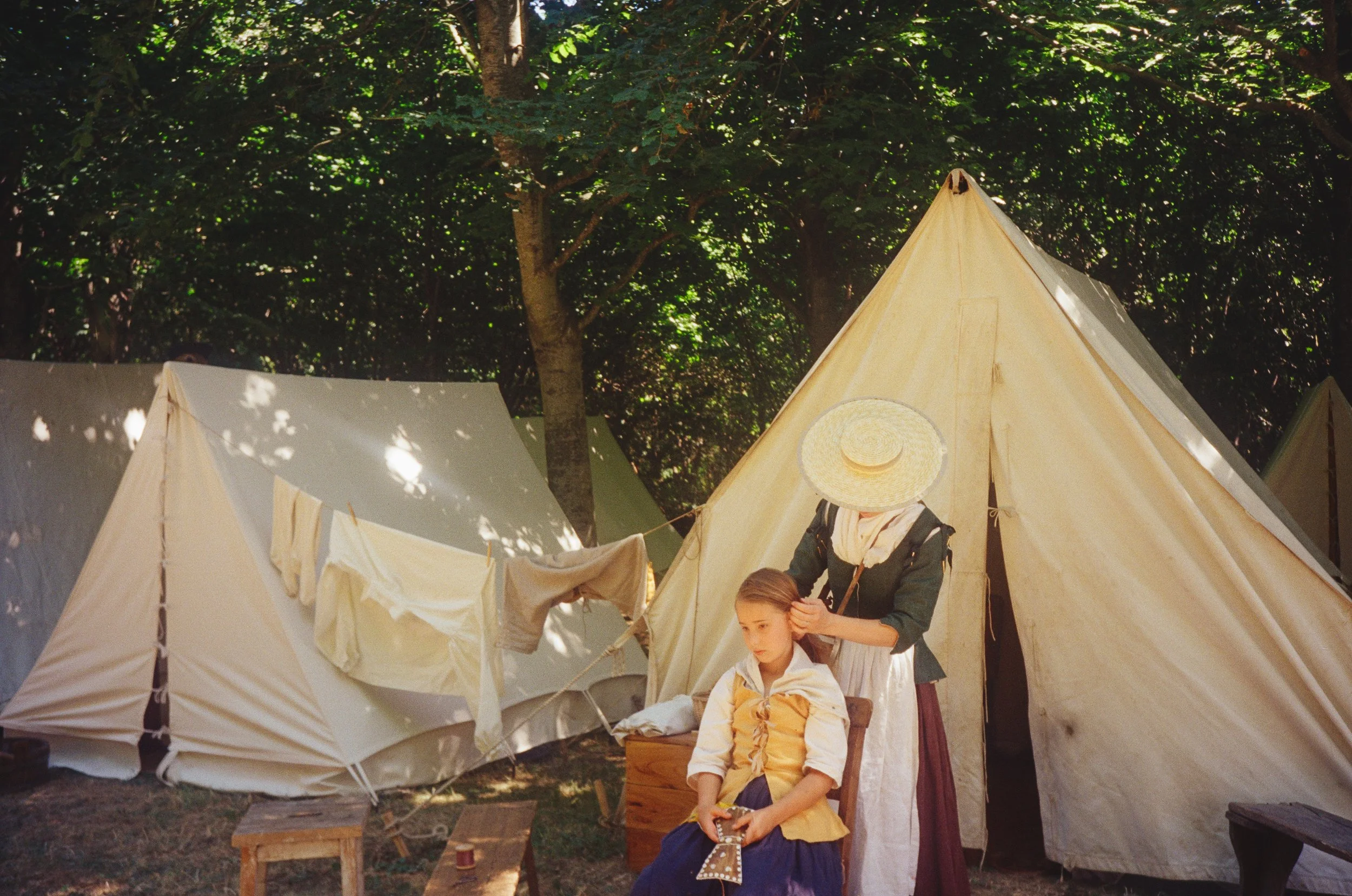
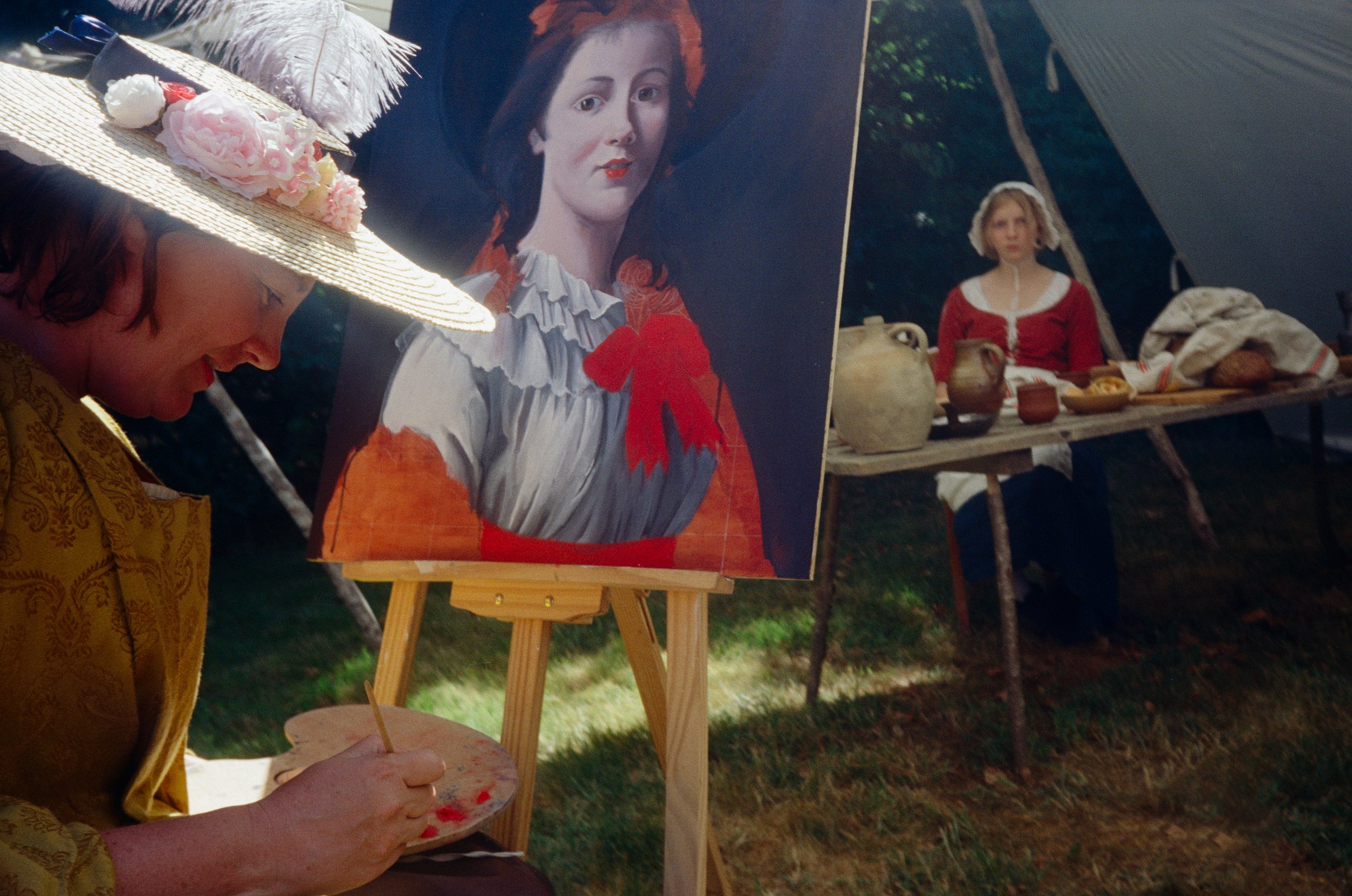
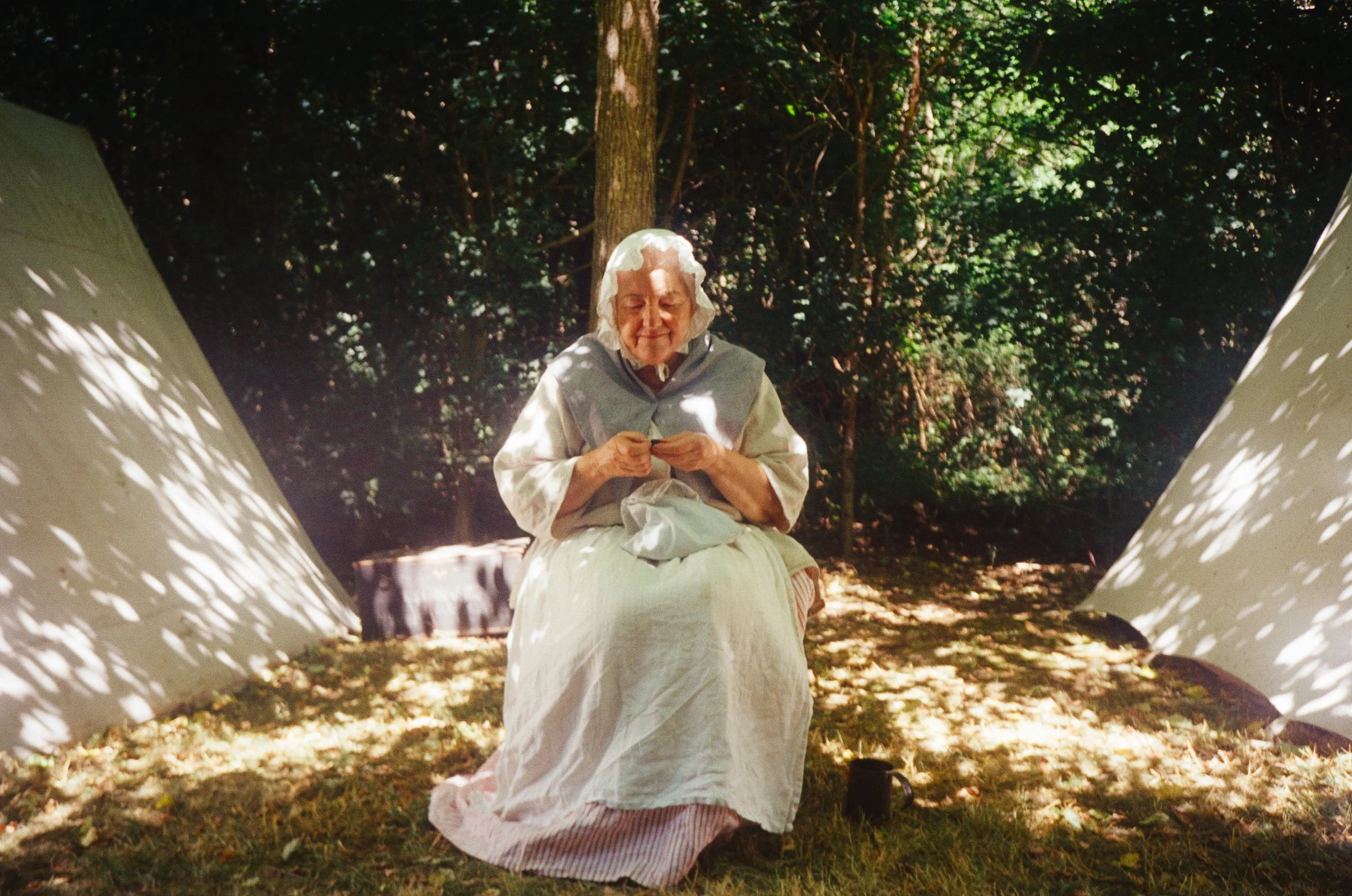
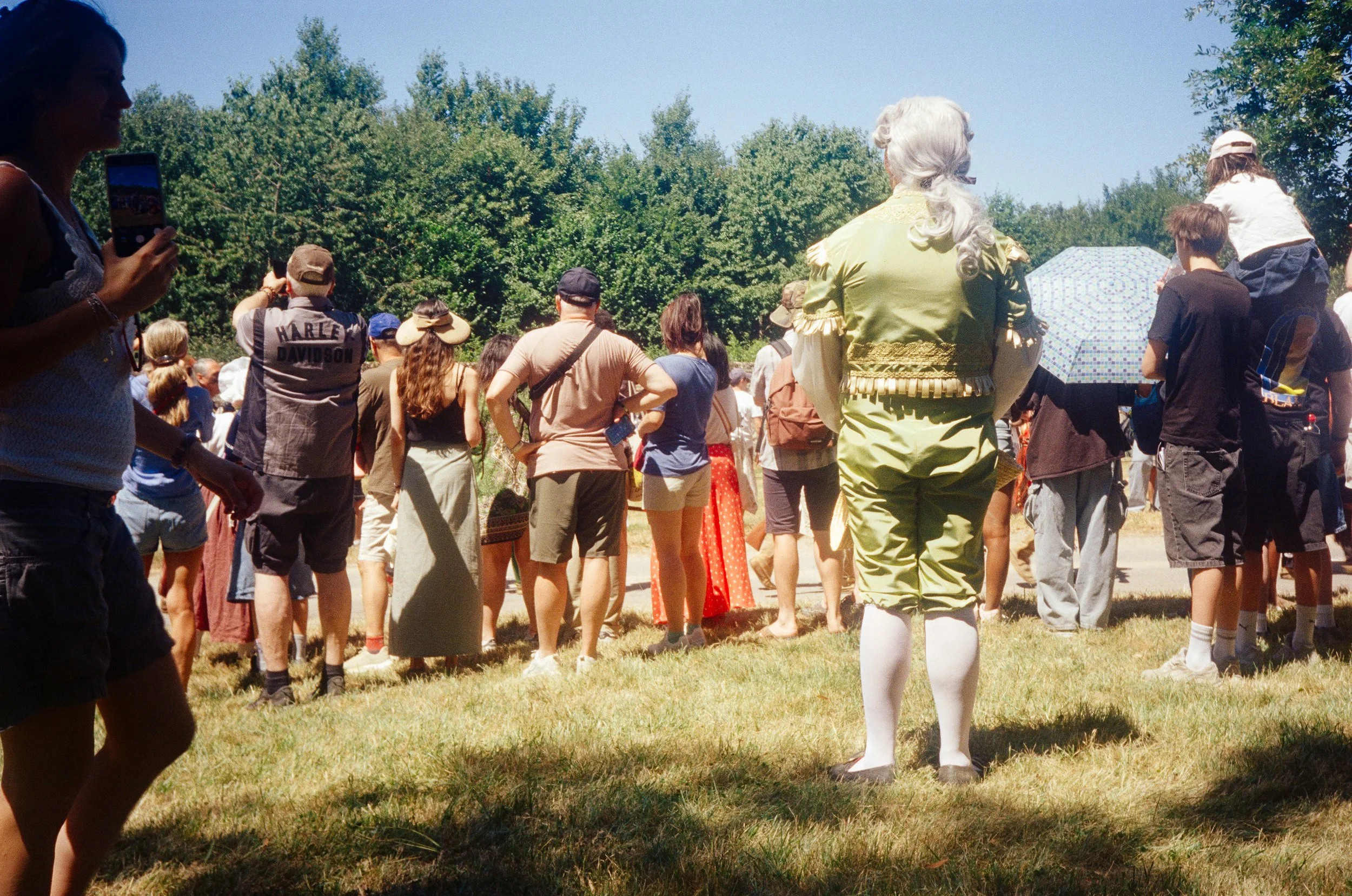
Surreal day watching non-American people “be” American, as an American, on America’s holiday, in a non-American place. Patriotic identity fever dream! Very few of us Americans there actually, so it was nice to see many Euro peoples take an interest in the day. Not your typical July 4th, but a great one nevertheless.
But wait, there’s more! I did bring me a roll of Kentmere Pan 200 for once the color ran out. This worked out in favor, as I’ve needed something to use for… black and white developing and scanning. That’s right, baby! Your boy is cooking up things in the home lab. Begin, more the criticism! More on this in the future.
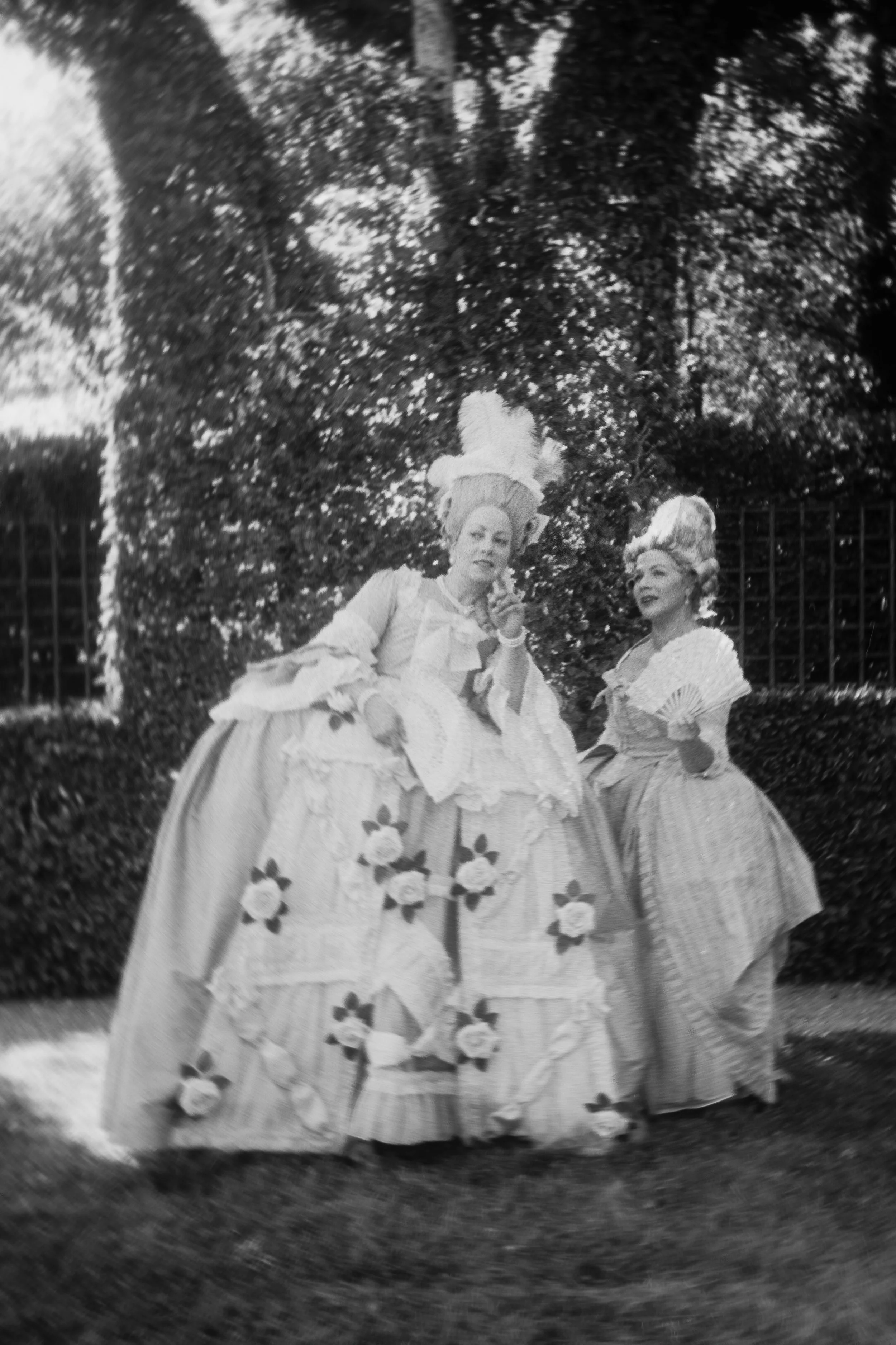
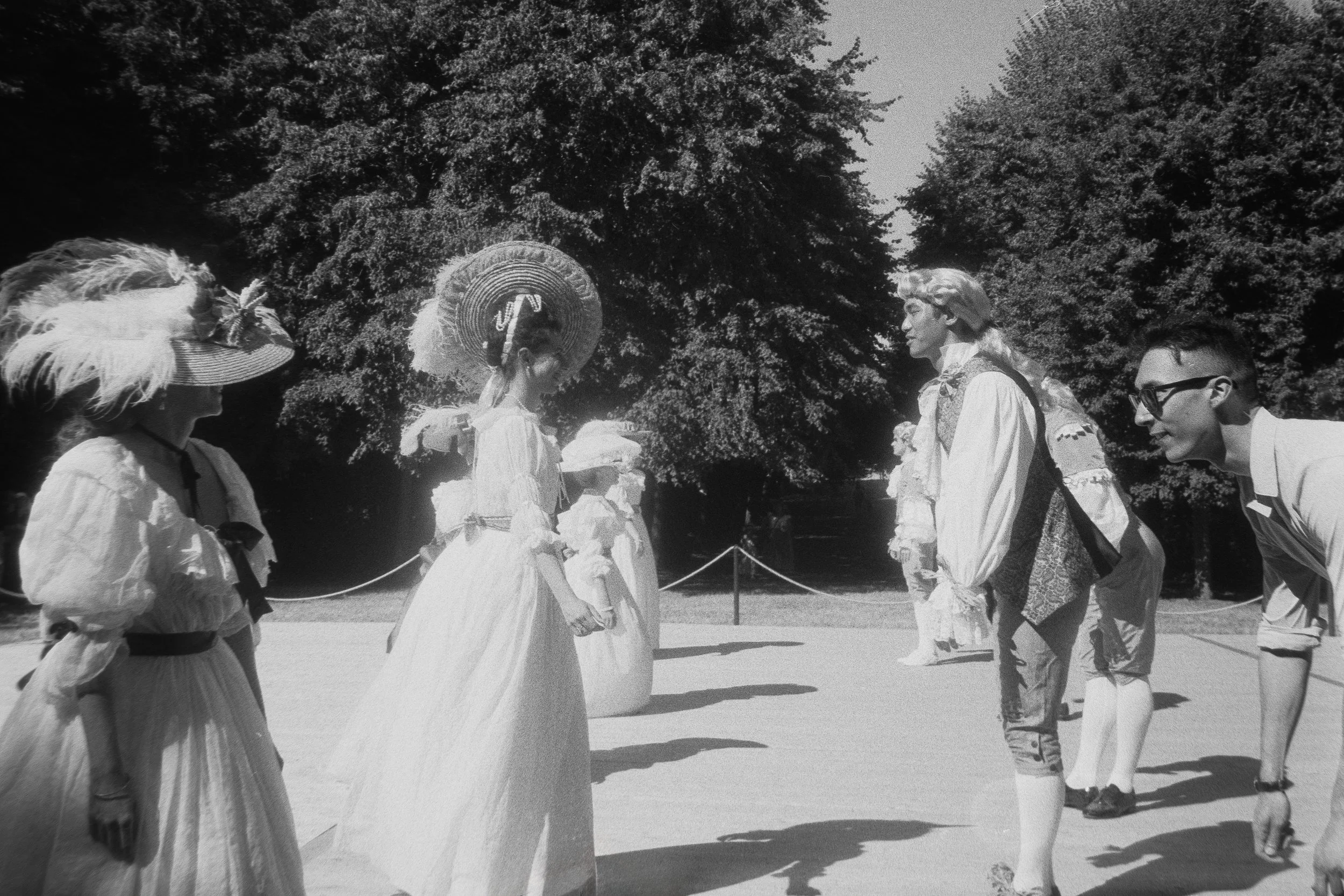
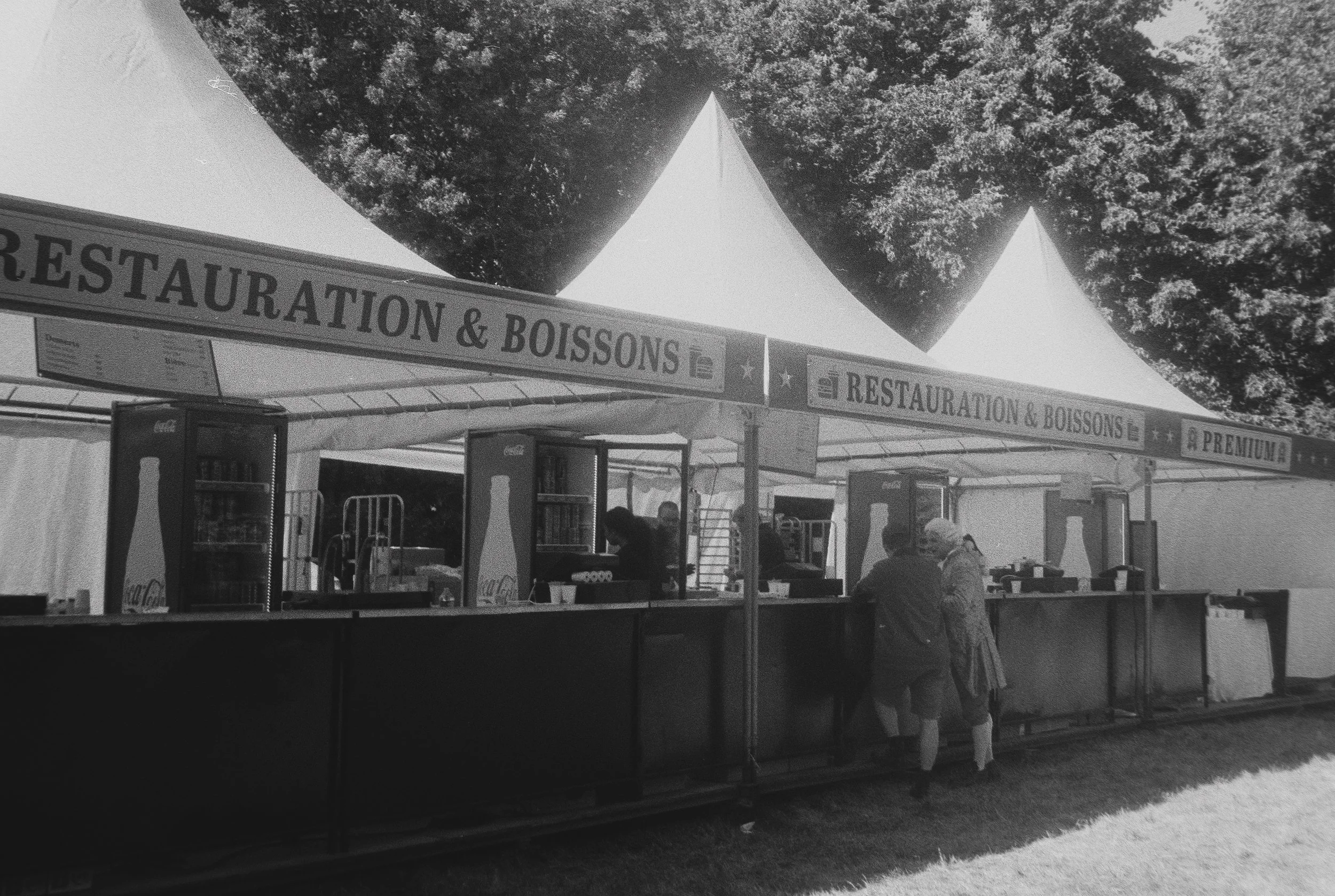
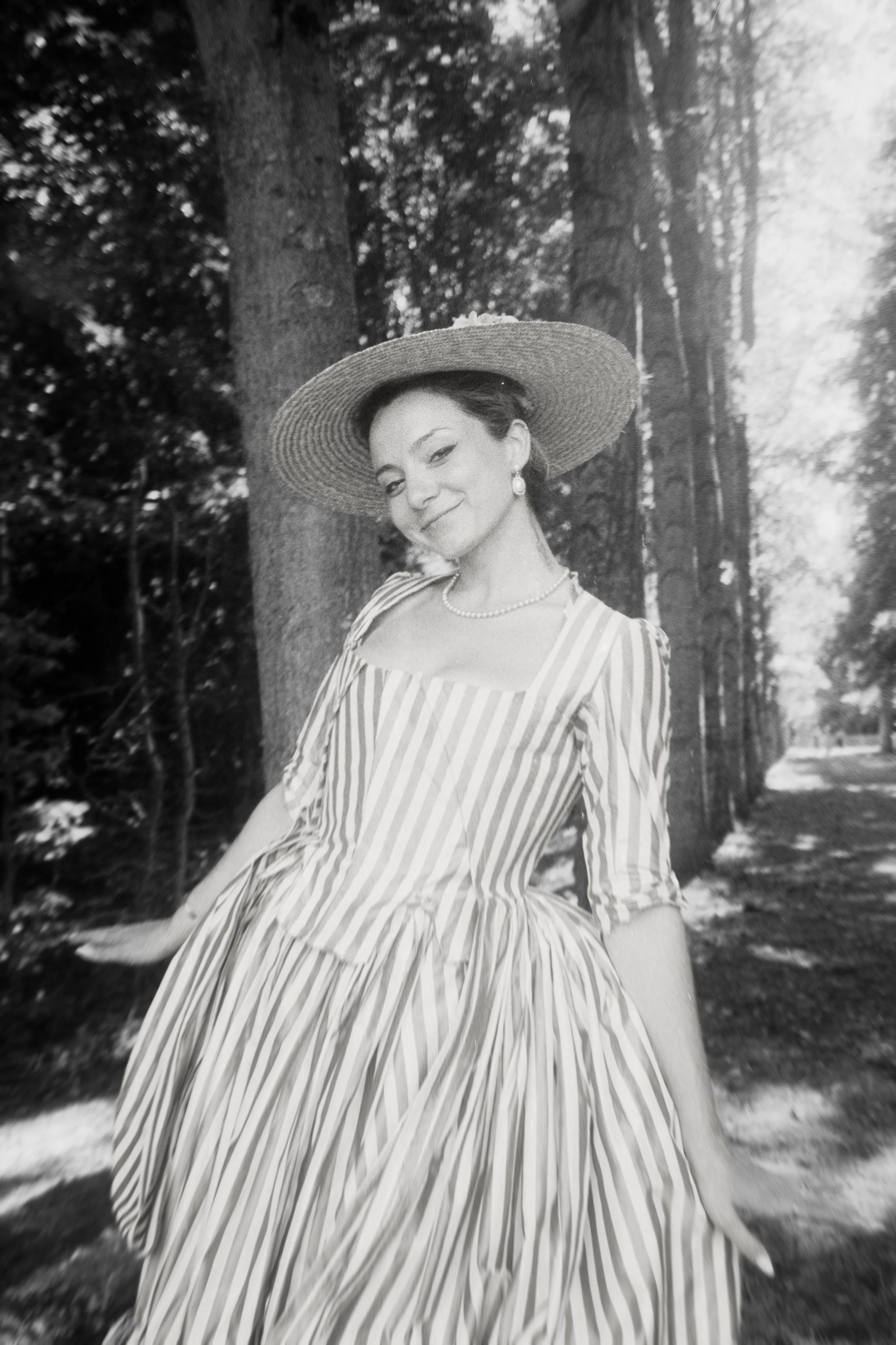
Pinky high, sipping Cognac next to the Belvedere, straight-up OG celebrations. French coast!
can’t beat the heat!: photo nation 250D (vision 3)
Rick Alarcon is a US photographer in Paris , France, specializing in portraits, events, and artistic photography.
What a face-melting good time! It took some time to get through this roll, time has been moving slow lately. More cinema film stock, re-packaged Kodak Vision 3 250D. Let’s go!
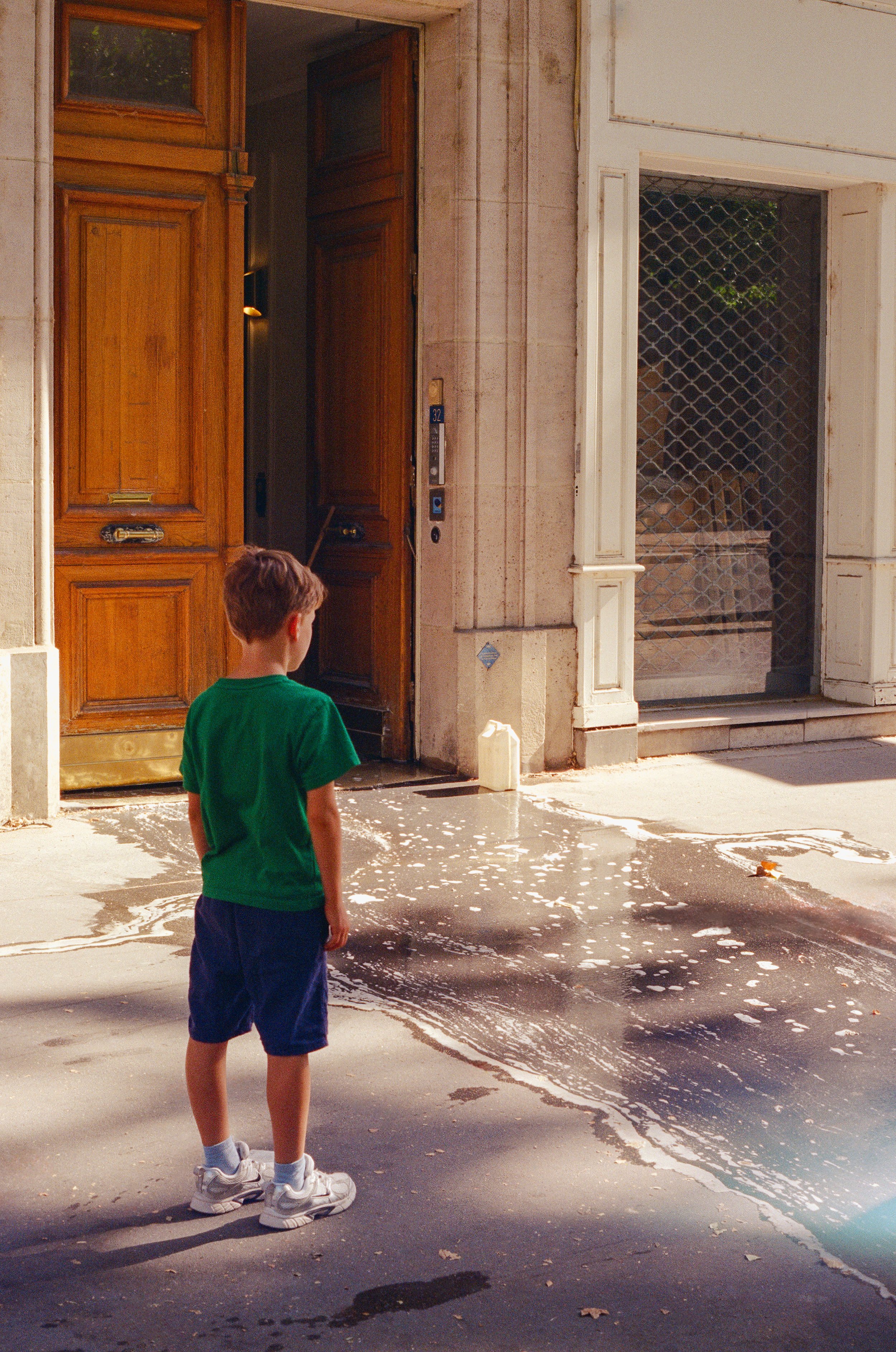
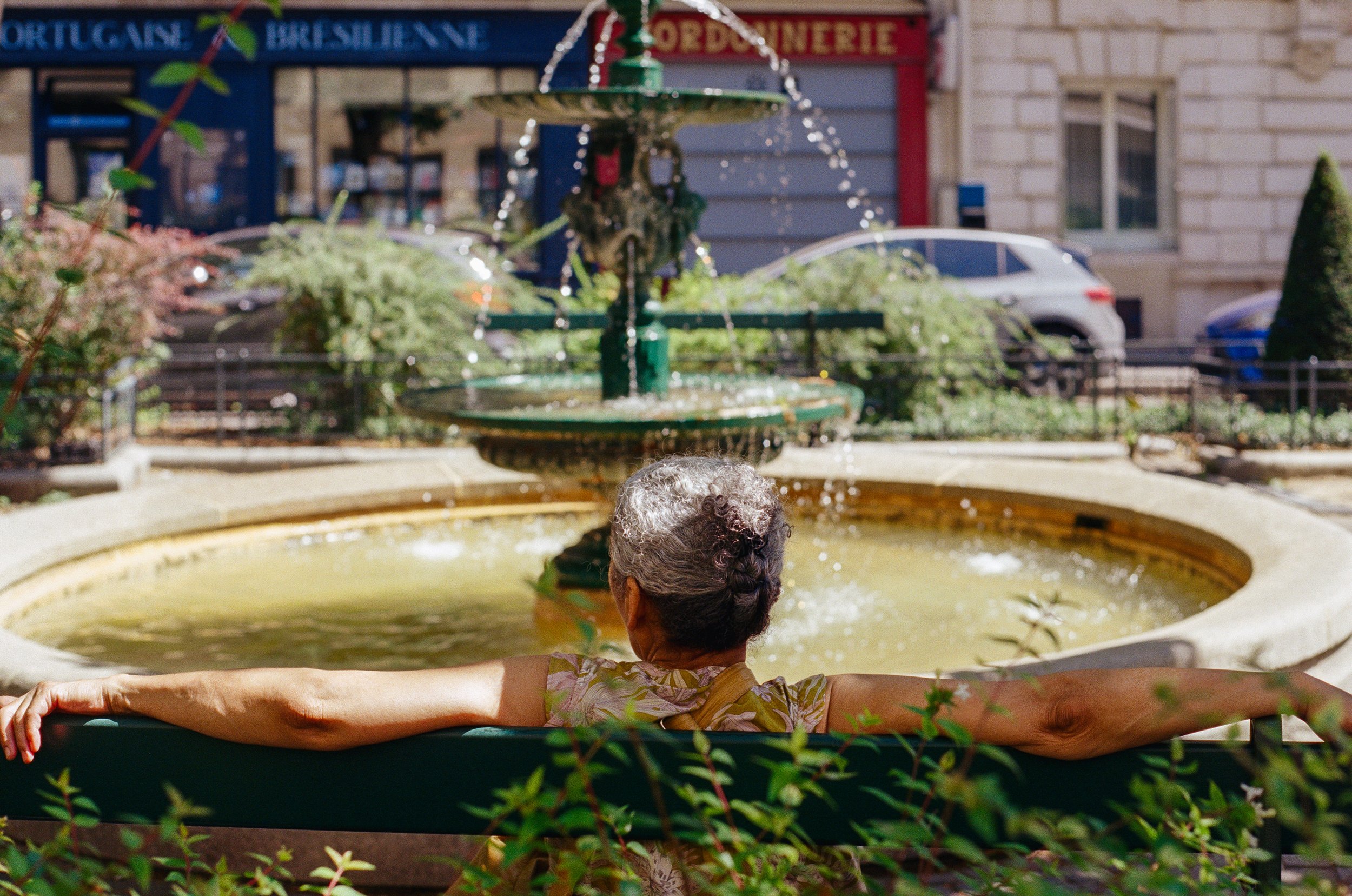
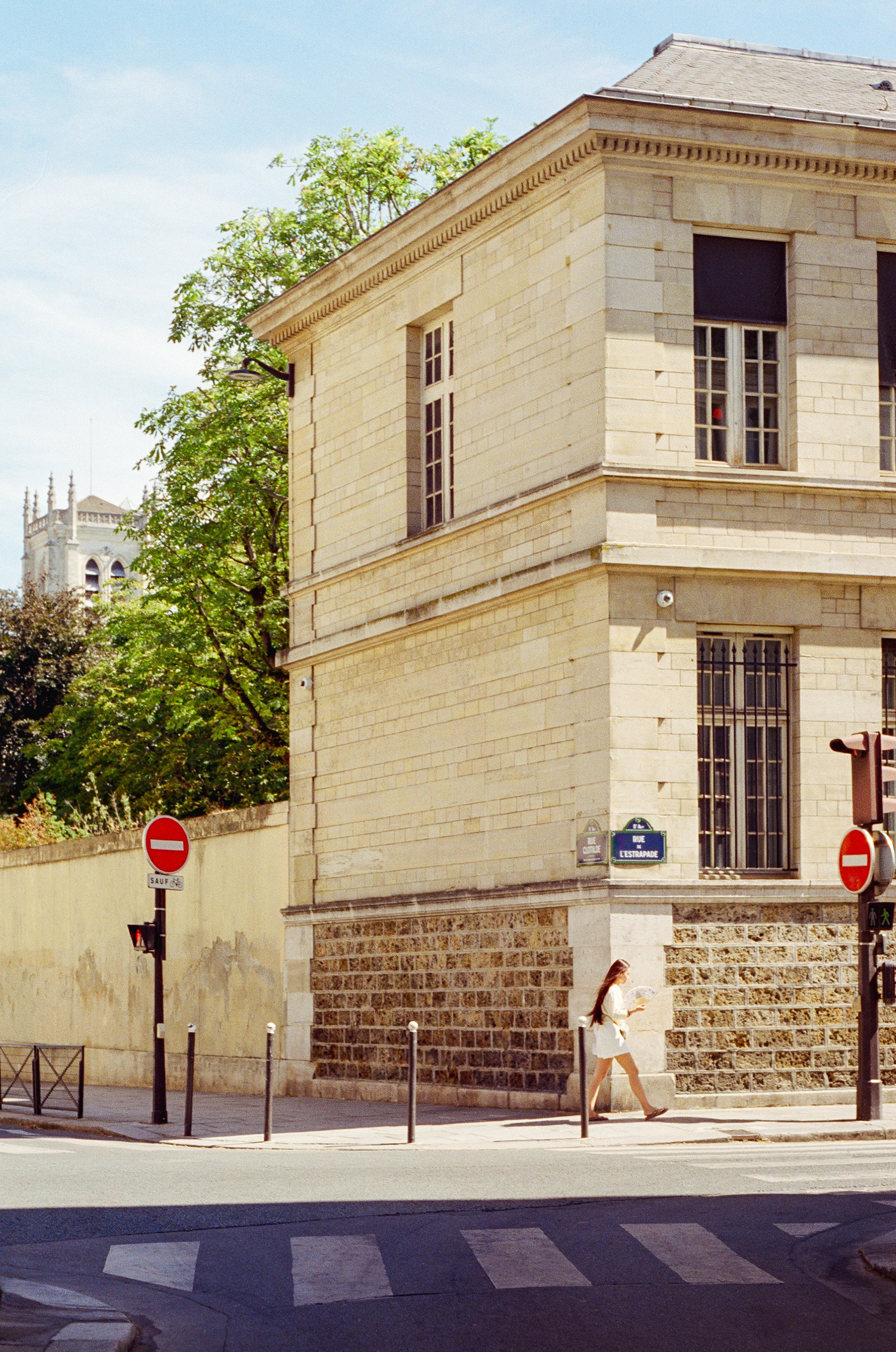
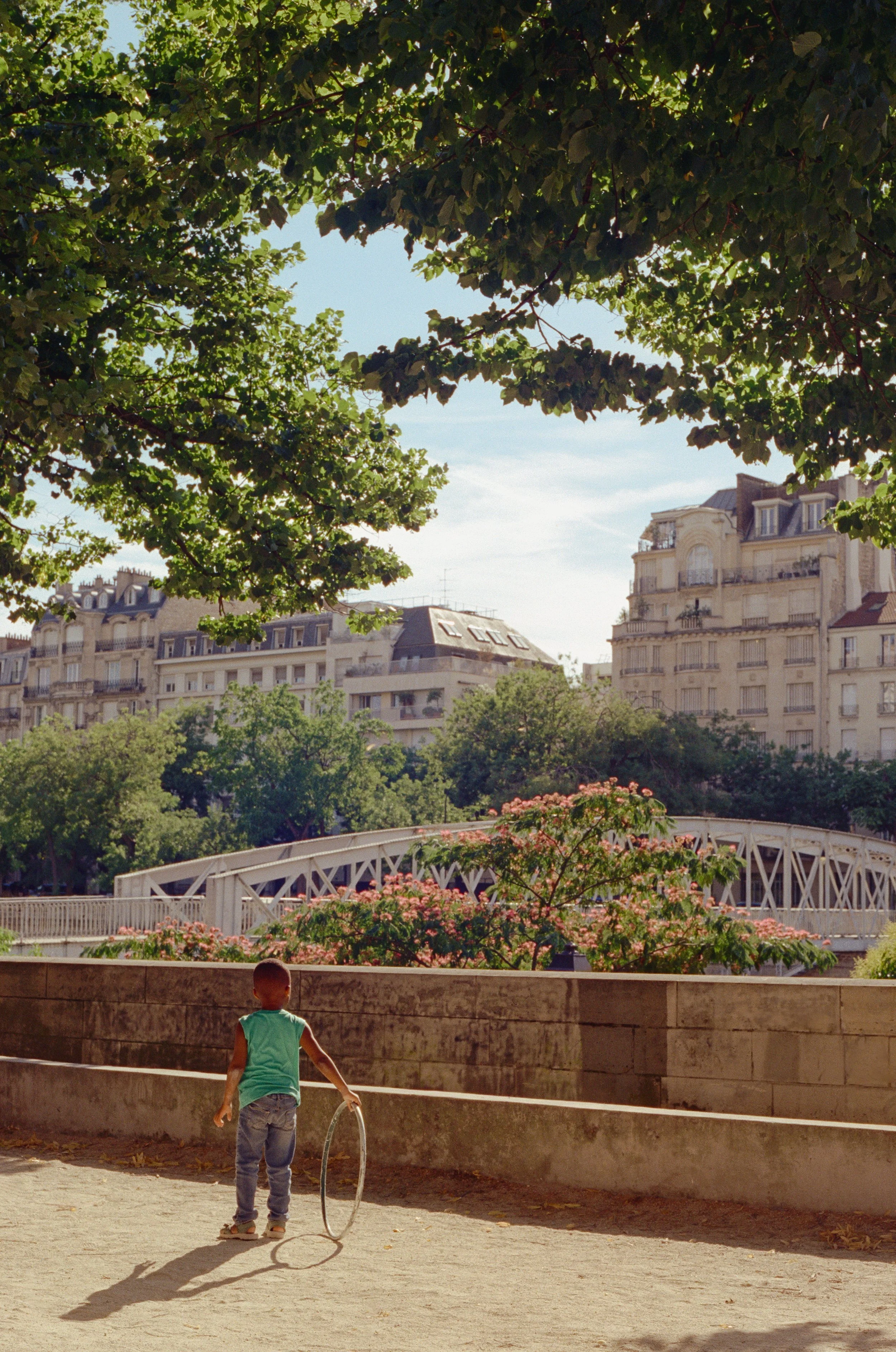
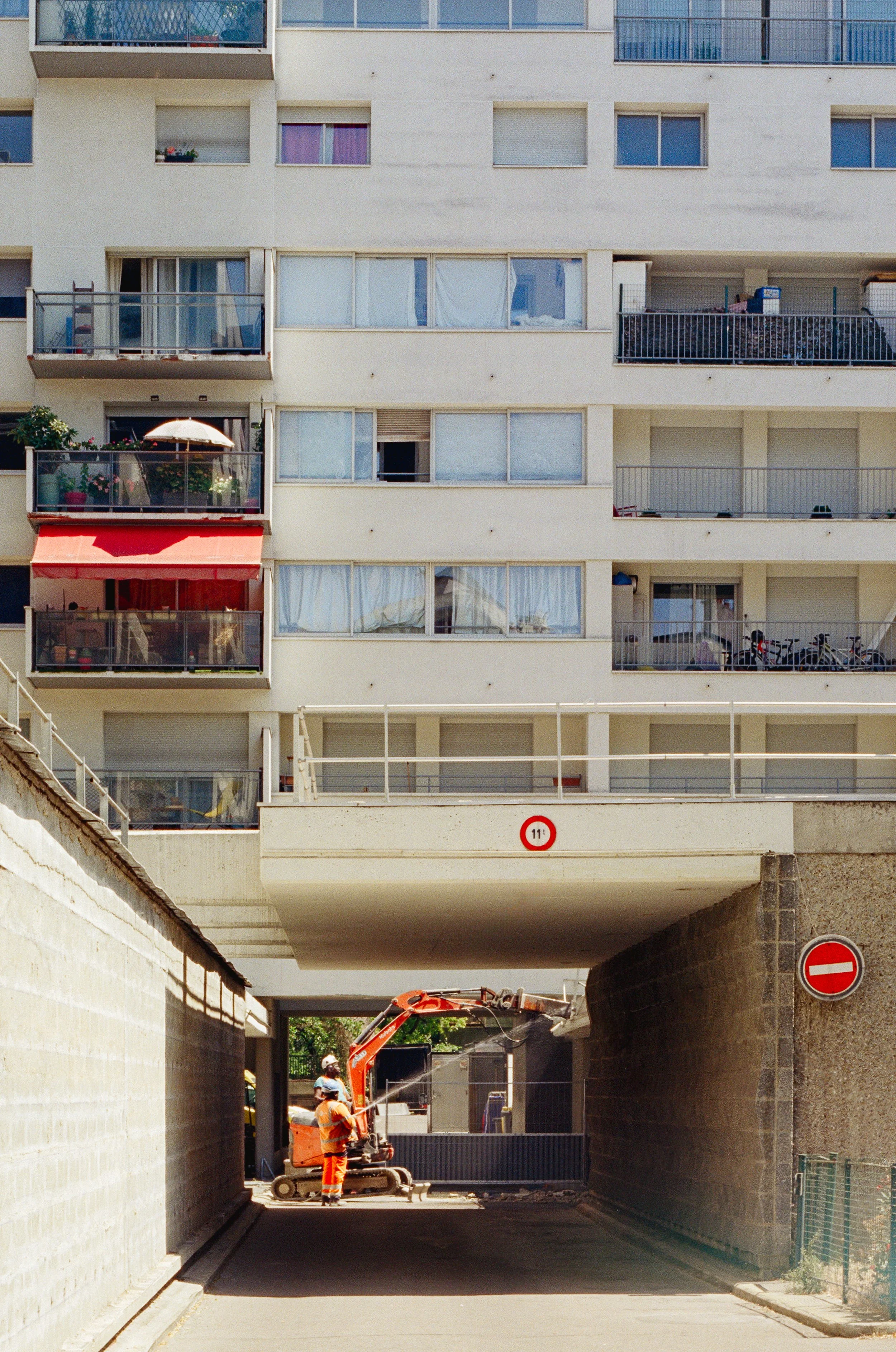
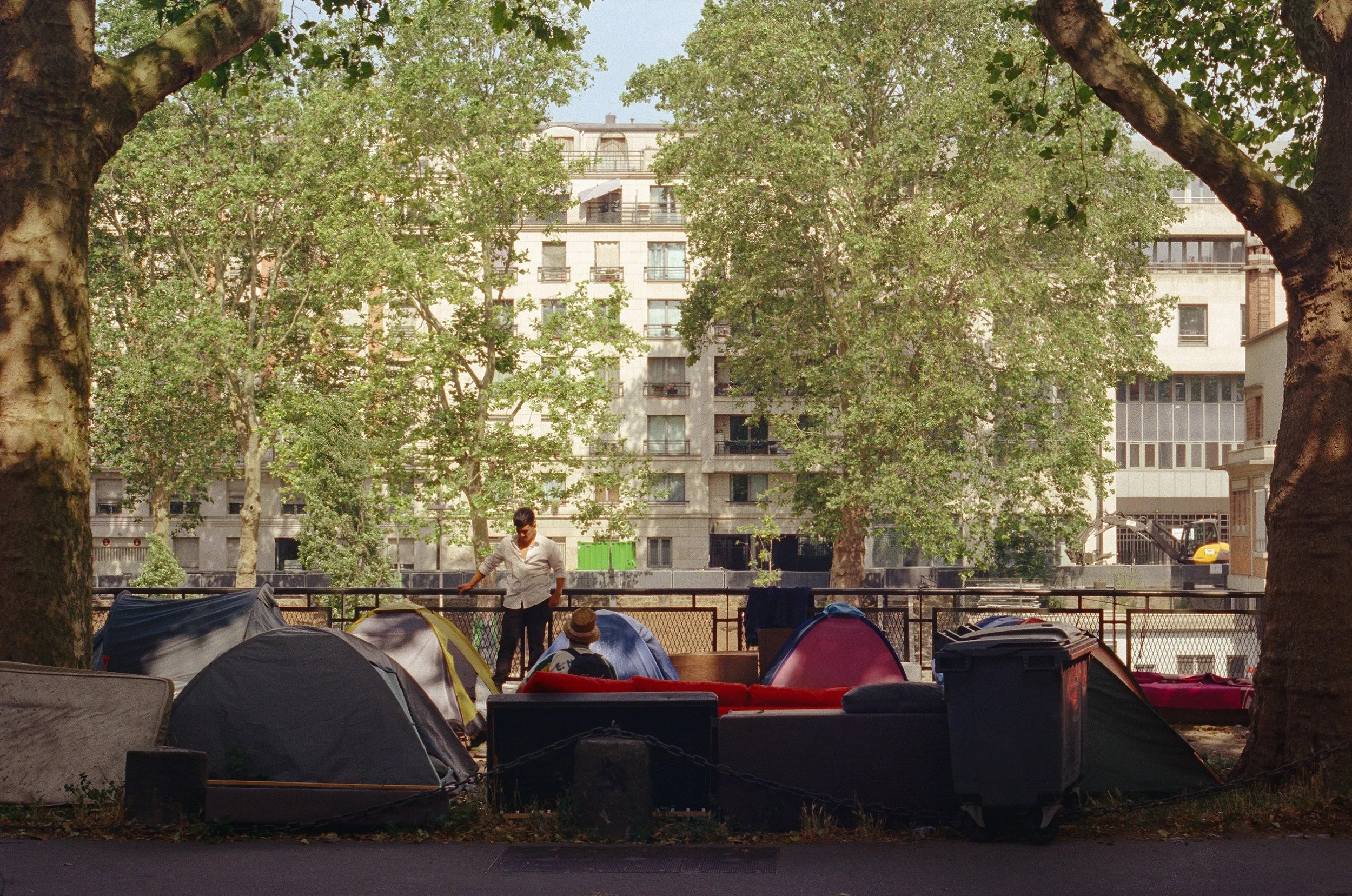
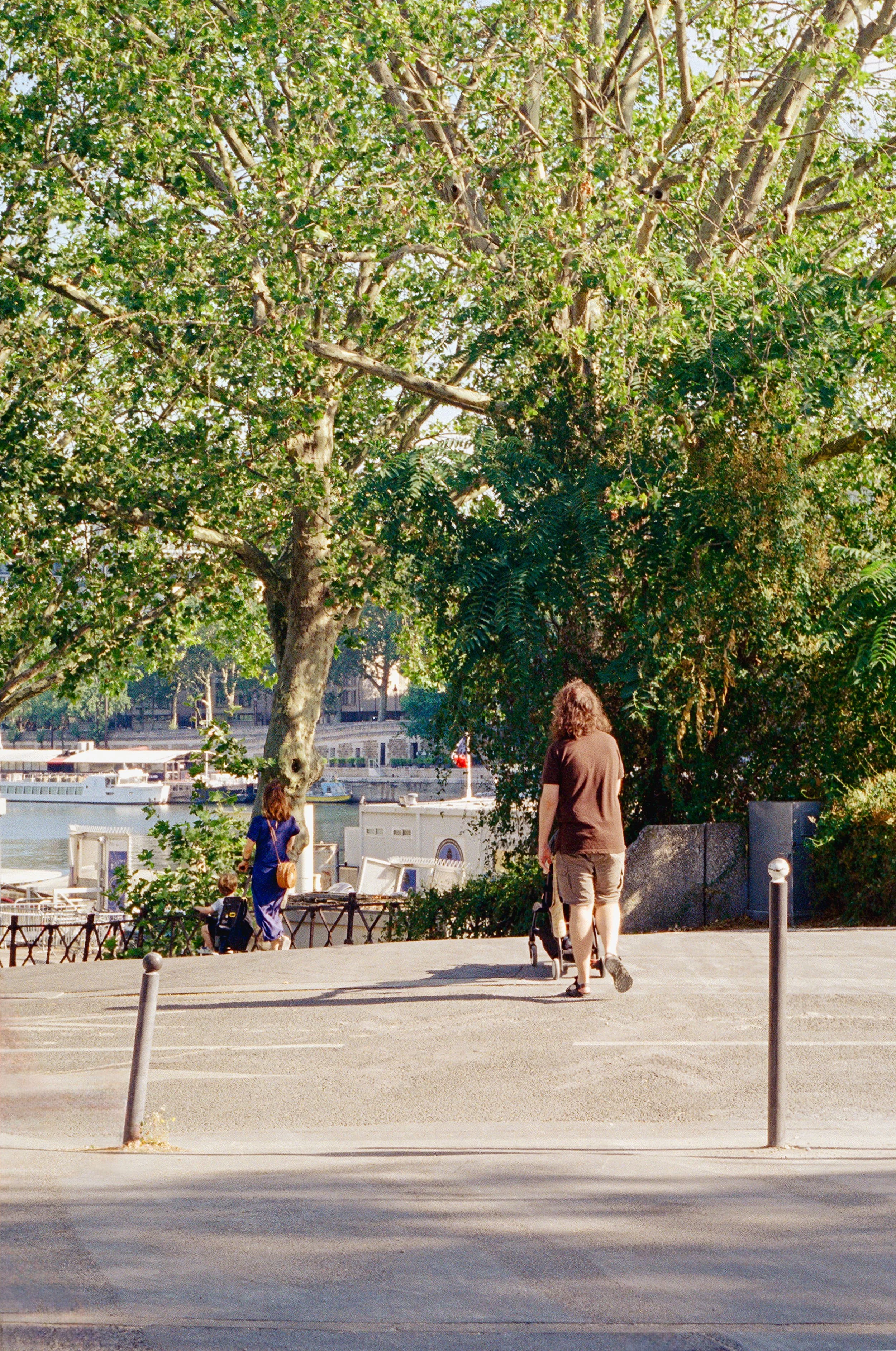
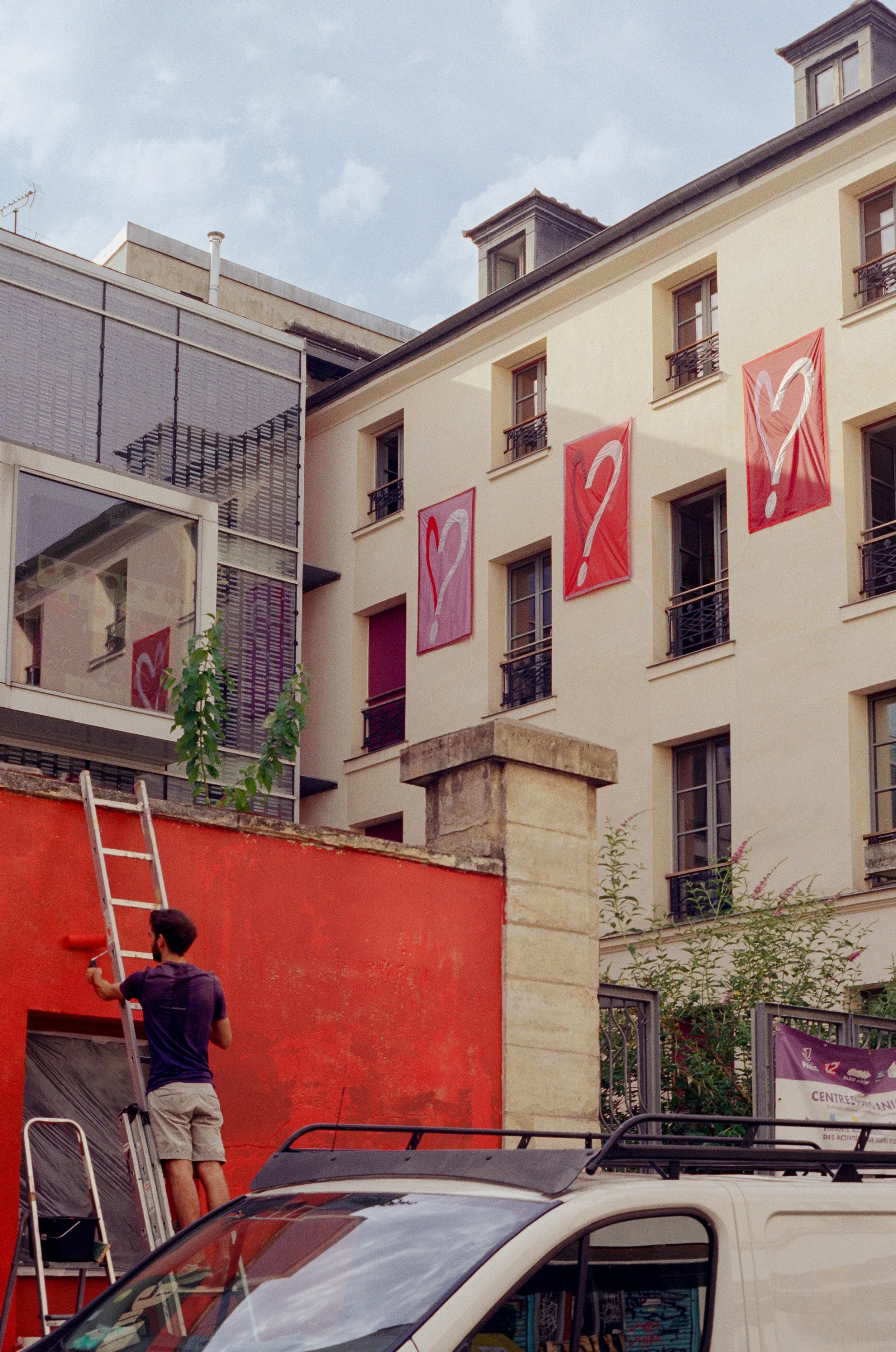
I’m really a big fan of this look, warm yellows and such, though I don’t like to play favorites, so find me someone bulk rolling cans of 200T and I will let you know.
The lab tells me that the next roll could be a while, but I got a solution! Acquiring the last of the tools right now needed to develop and scan at home for reals reals, so putting that into the routine in the next little while. Thank you for all of those who have supported thusfar to make it possible to be able to do things like that, you make it happen! My humblest thanks to you. If you haven’t supported my work and would like to do so, please click the link here. Cheers to you!
The heat done slow me down a bit, but check for more regular appearances in the near future. Once I get things up a bit more and organized, I’ll be able to post to here a bit more often. Plus more control and savings, but I’ll again be able to do more with what is made available.
les bleus + the blues: fujifilm color 200
Rick Alarcon is a US photographer in Paris , France, specializing in portraits, events, and artistic photography.
The Olympus AF-1 is my new favorite thing. Glorious Fujifilm 200 (donated! thank you! visit the support page, y’all.) showed up in my mailbox and nothing better to beat the scorching heat than a little bit of cool.
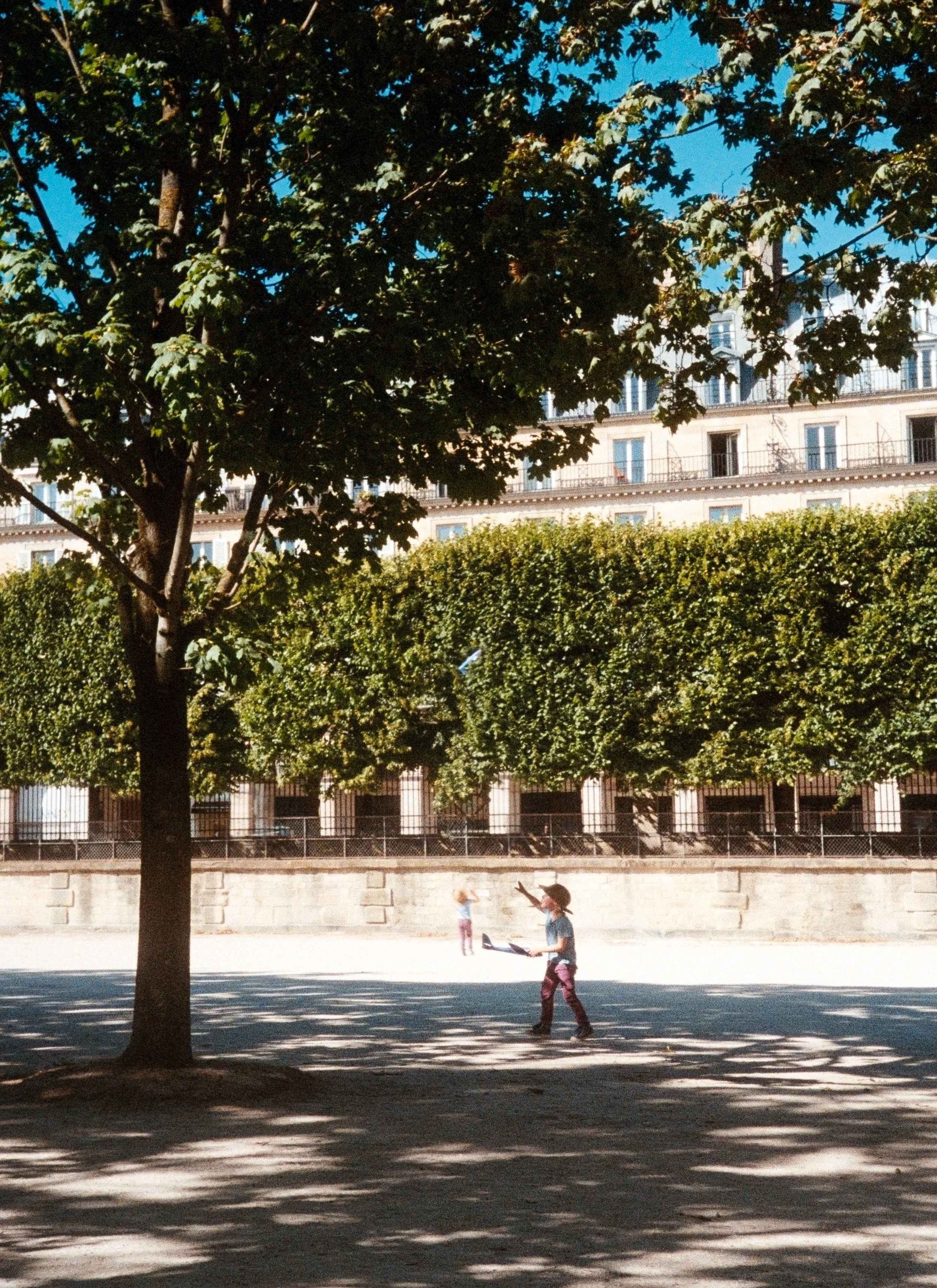
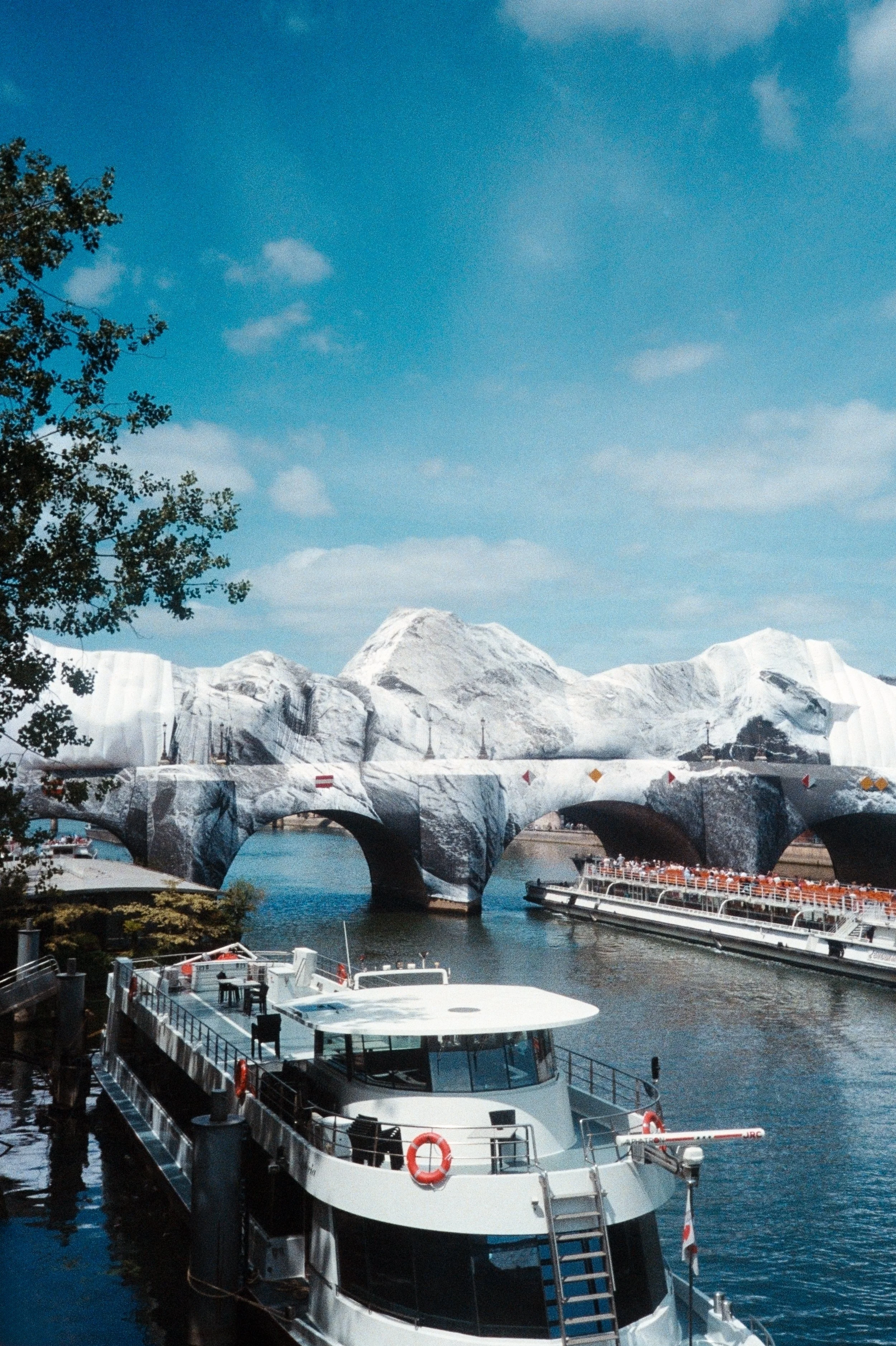
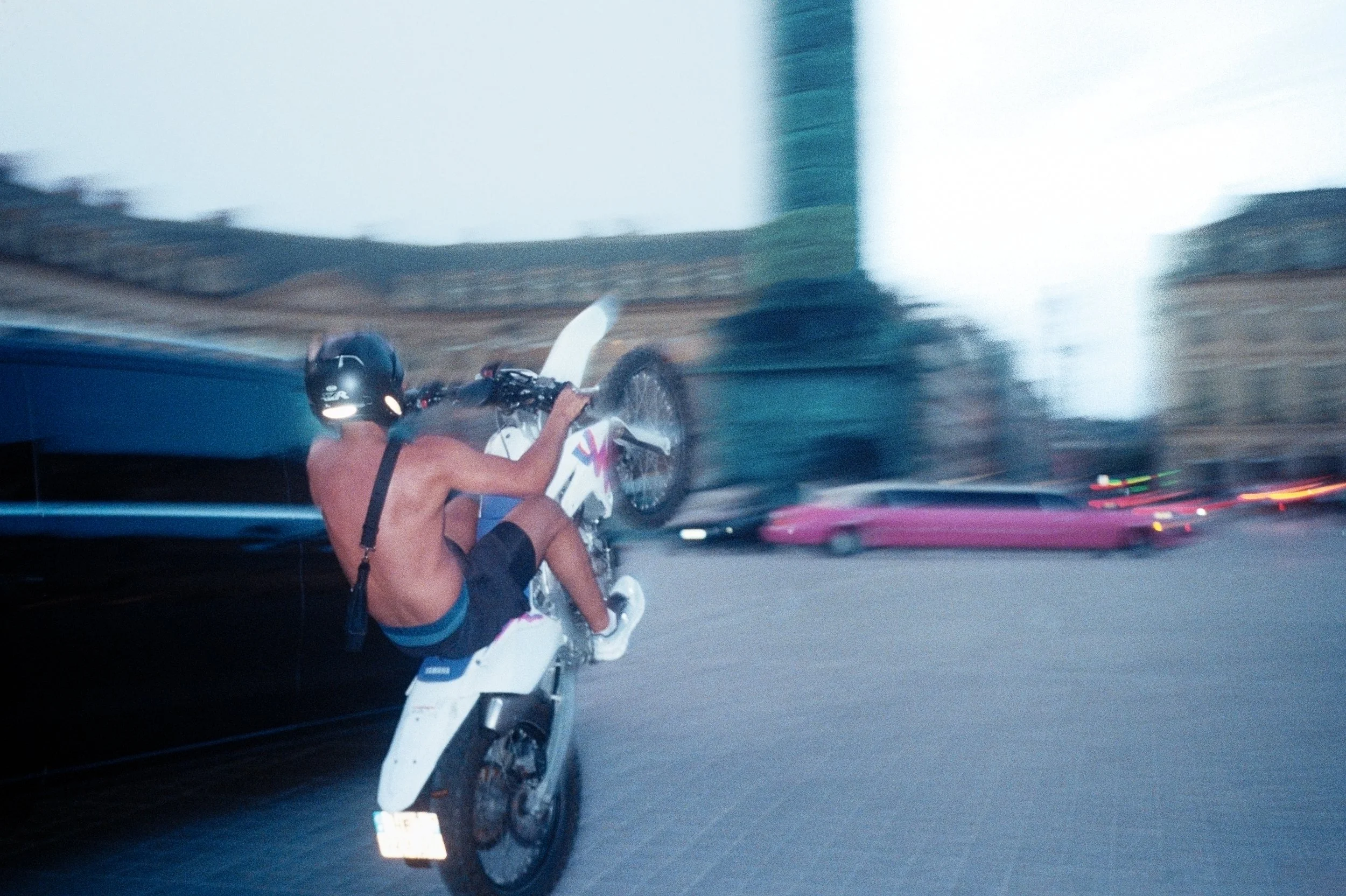
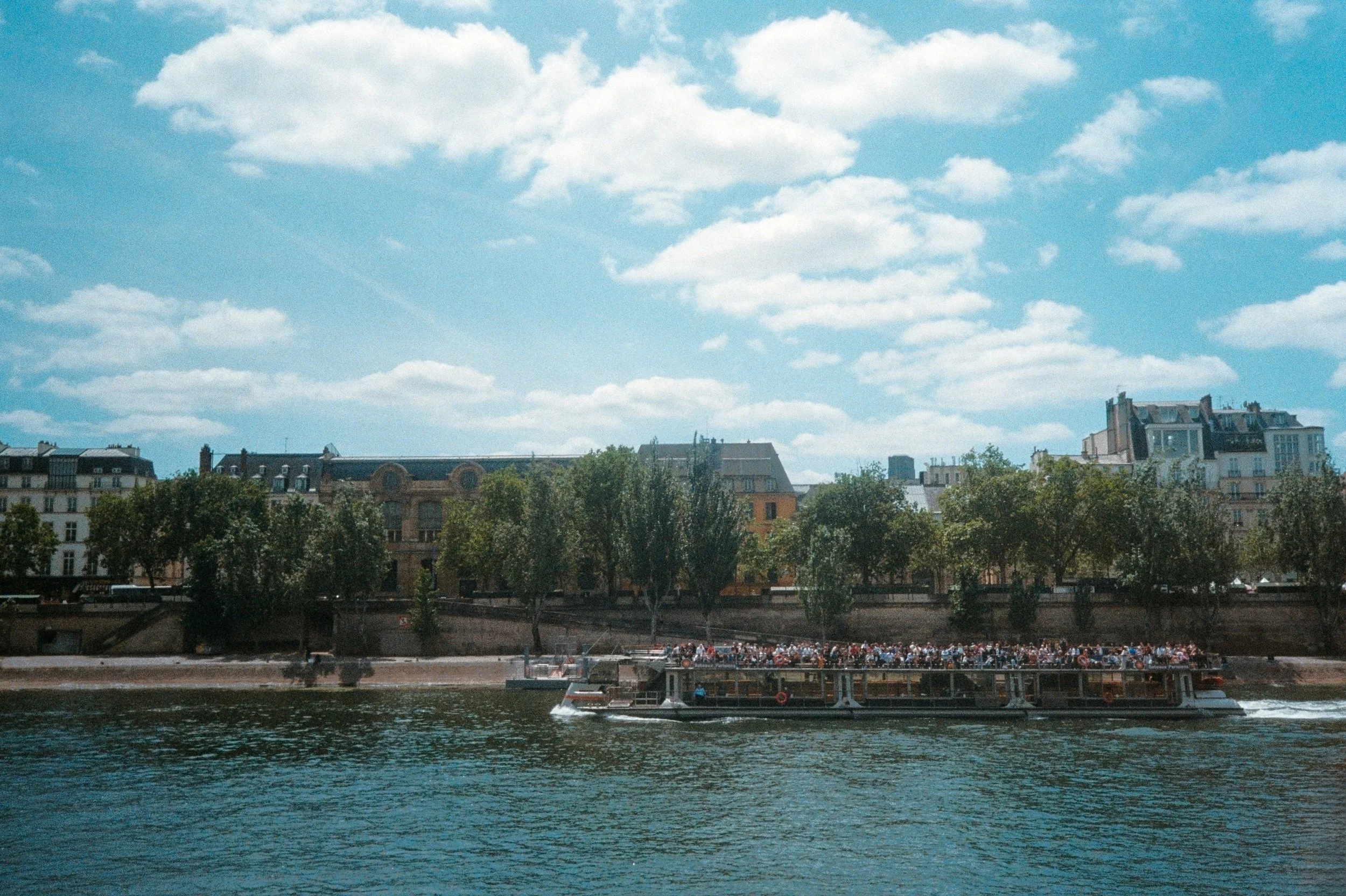
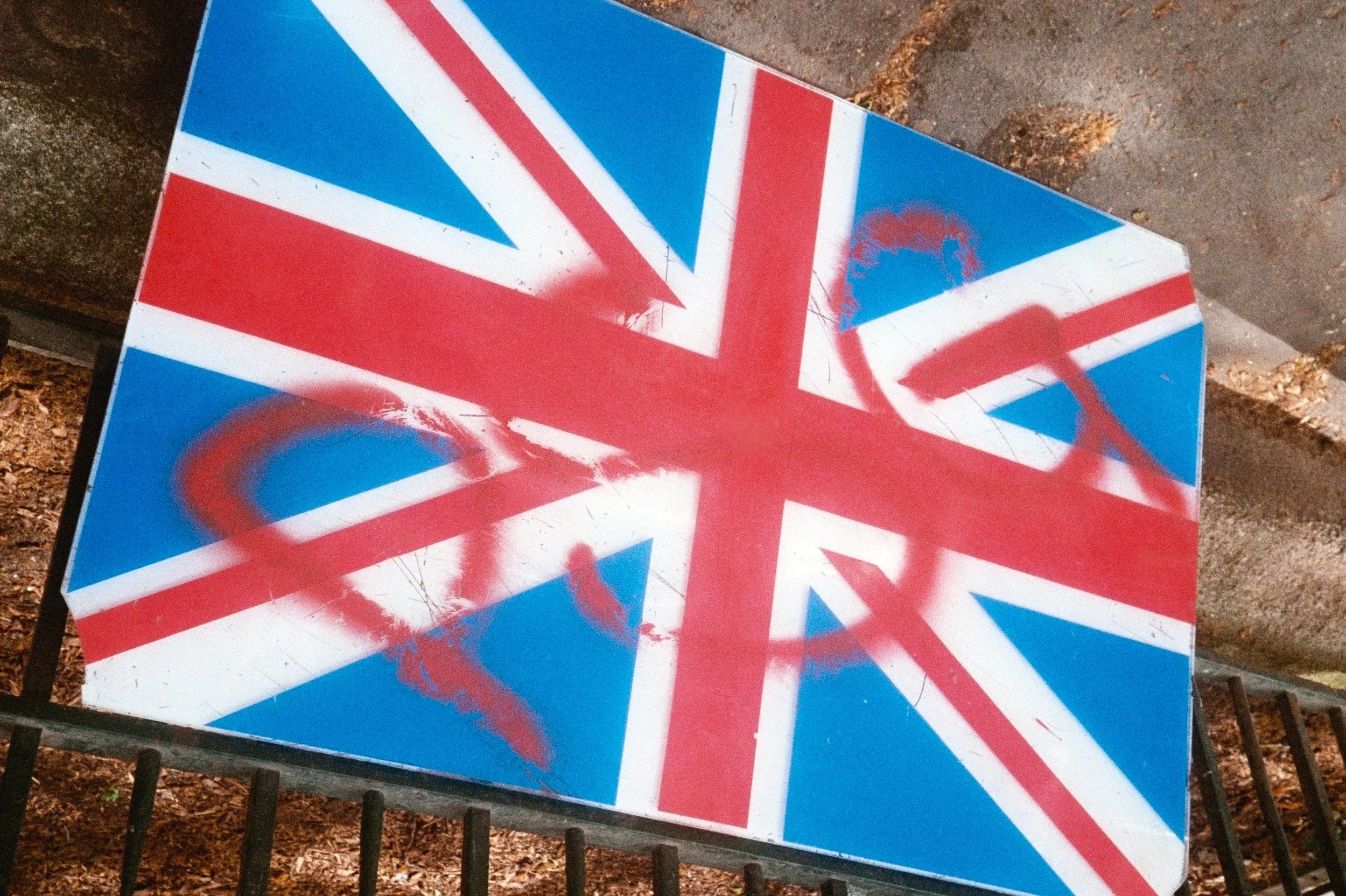
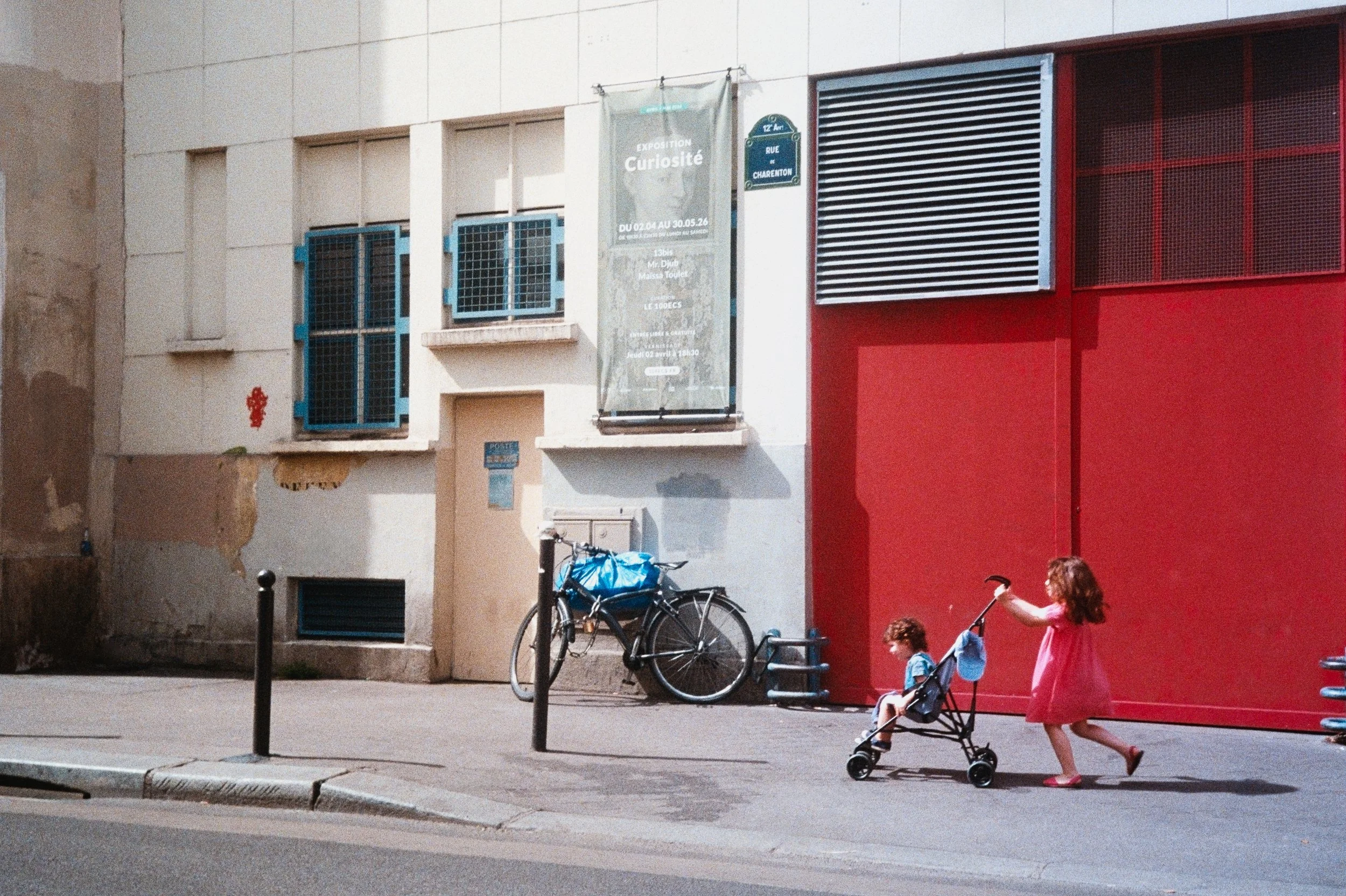
Stay cool everyone!
bric-a-brac: colorplus, vision 3 250D, something something.
Rick Alarcon is a US photographer in Paris , France, specializing in portraits, events, and artistic photography.
New point and shoot here! Got my hands on an Olympus AF-1 (purchased from an old Kodak employee, so that’s cool too…thank you for your service, sir). She is exactly the kind of low maintenance, not have to overthink it, daily carry that one needs in their life.
spires.
Things are functioning, more later with that camera.
For now, just a few random bits I’ve been able to take a look and finally put together with more Colorplus, Portra 400 I think, and some Fujifilm? I’m very, very, very selective, so I try to go back and pick out ones I wouldn’t have necessary selected the first time around and well, that takes time. I haven’t been the best at logging things though lately either and have been slowly getting through it all, so here is just a bit of color bric-a-brac.
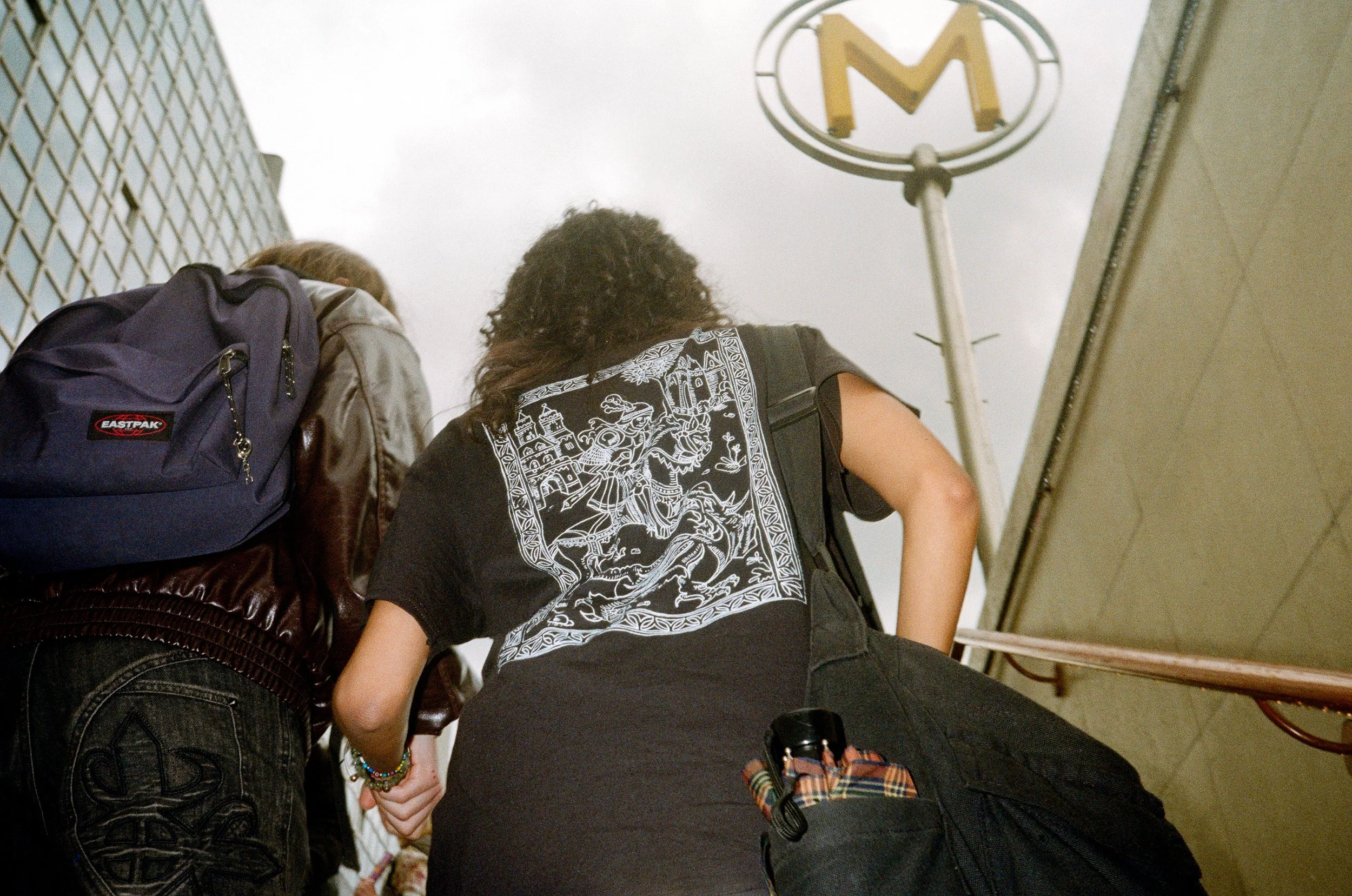
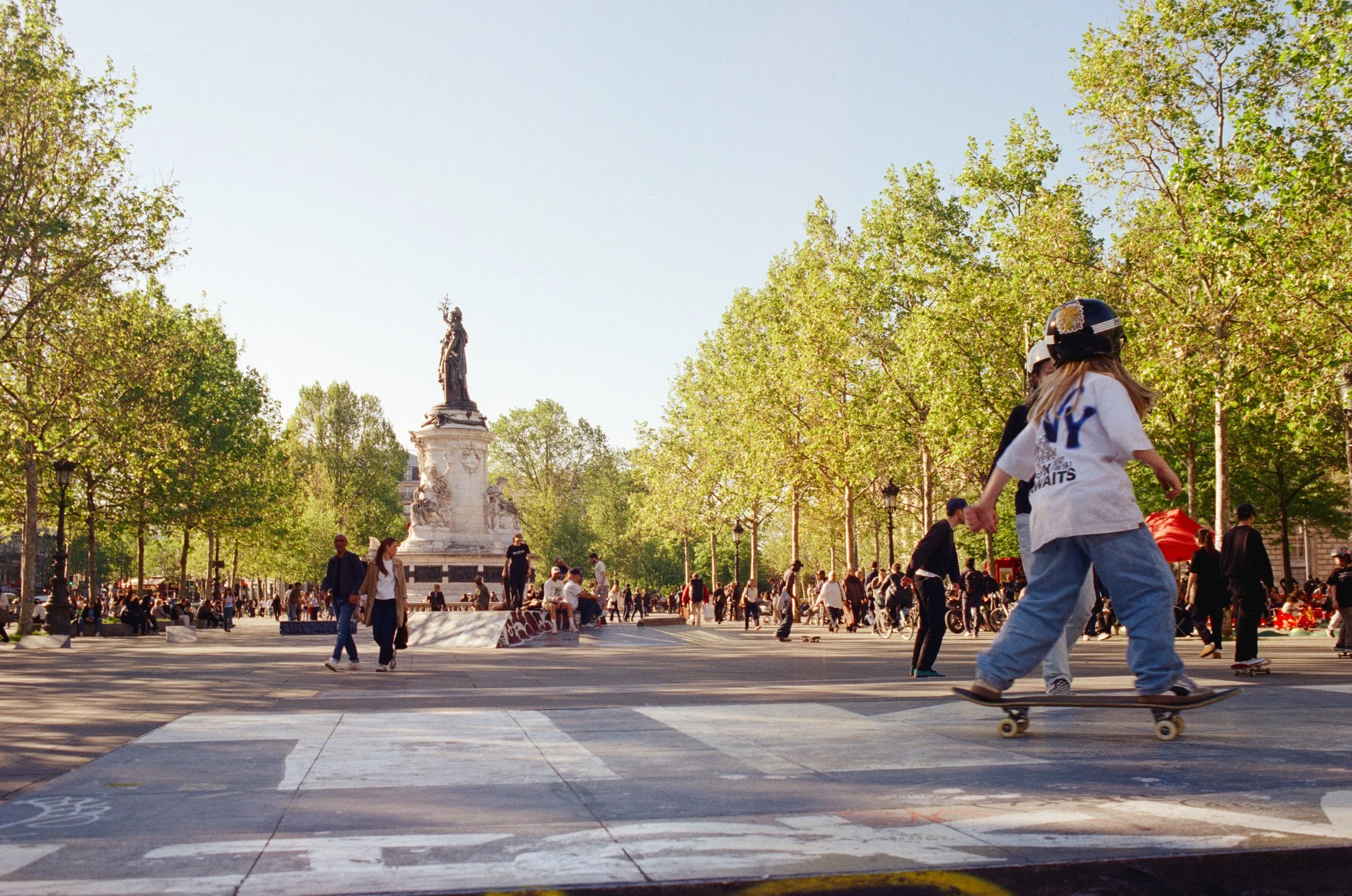
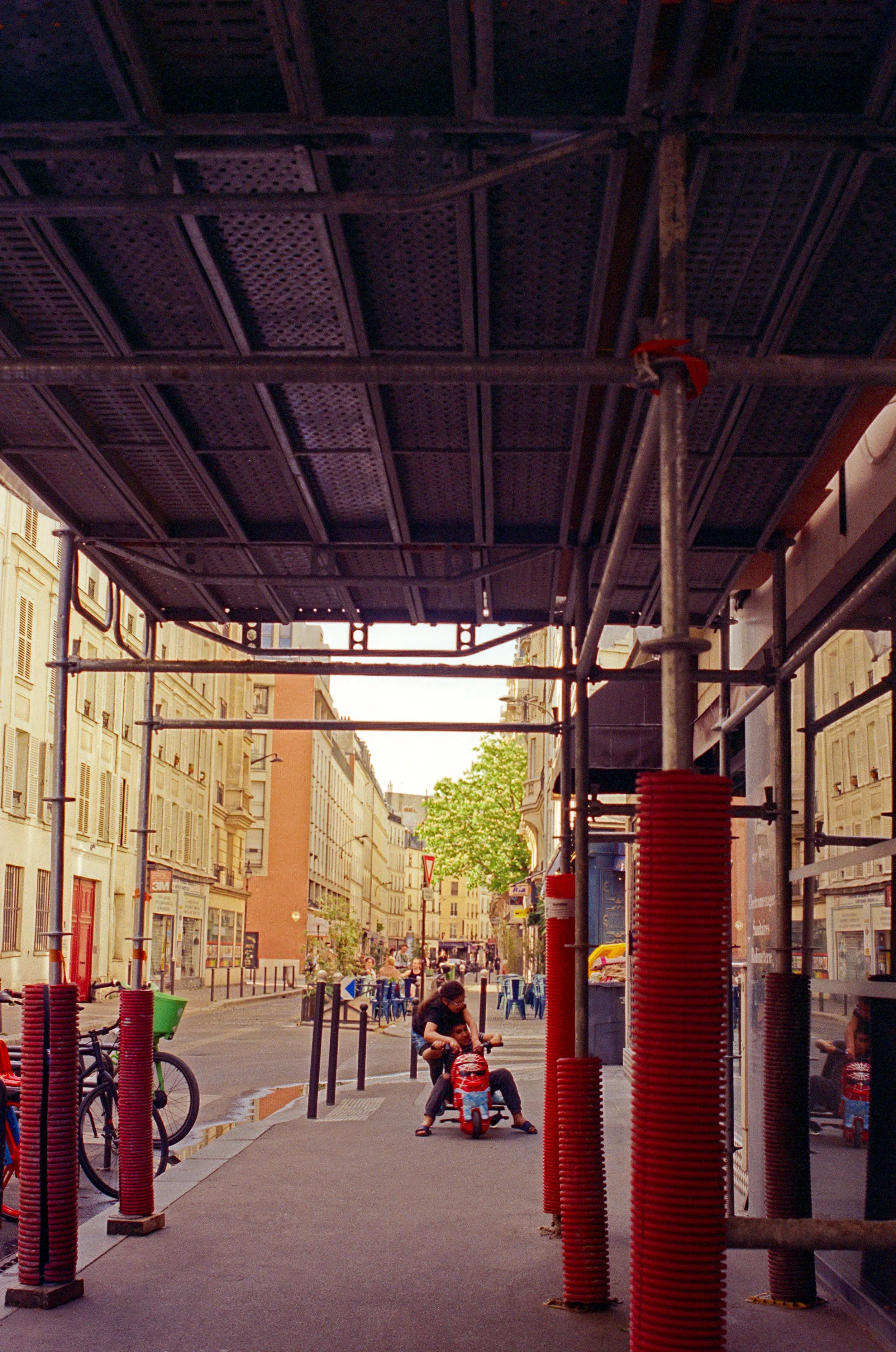
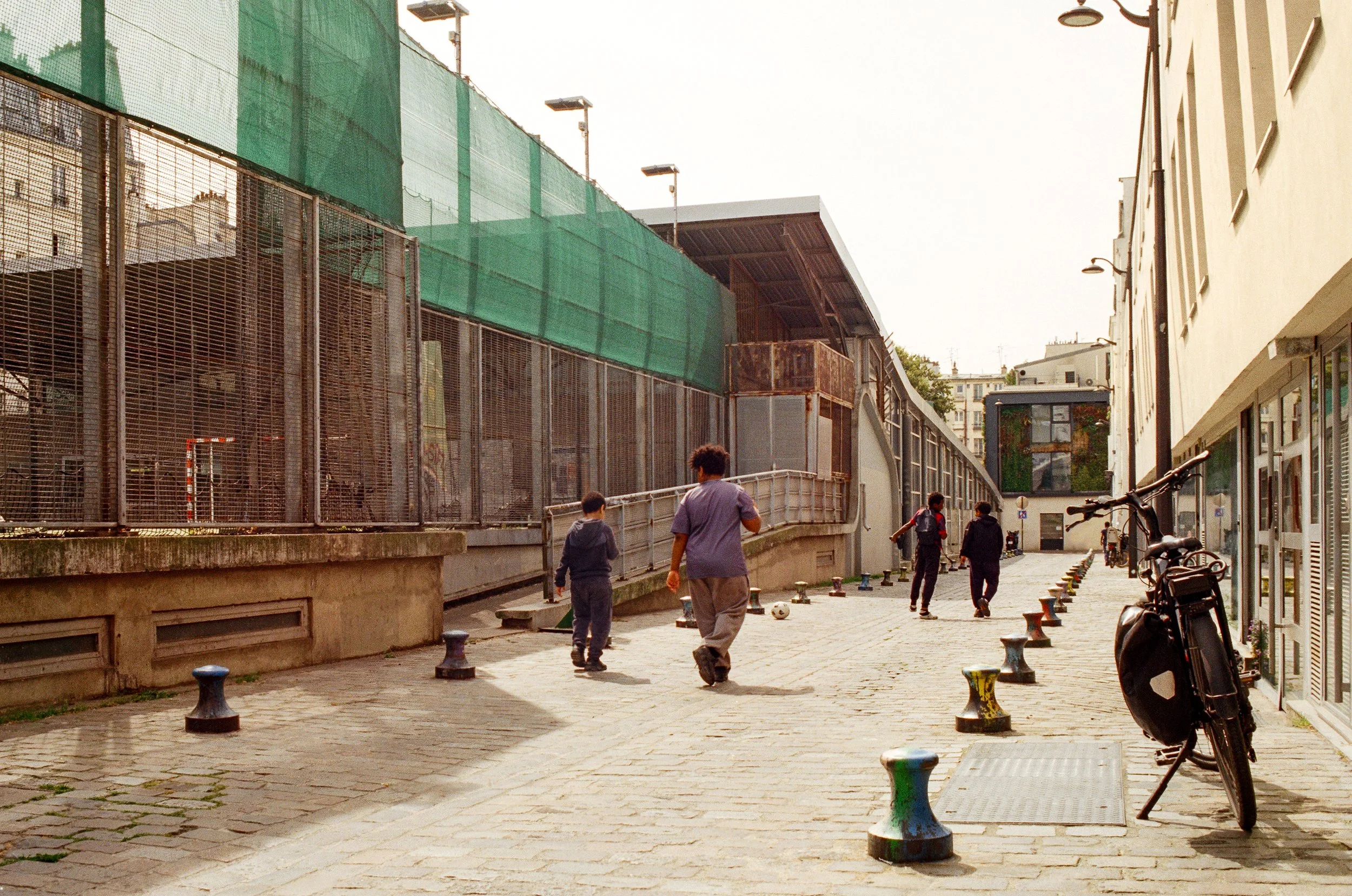
I’ll have the black and white bits coming shortly. In the meantime, if you would like to support my analog photography, you can do so here. Cheers!